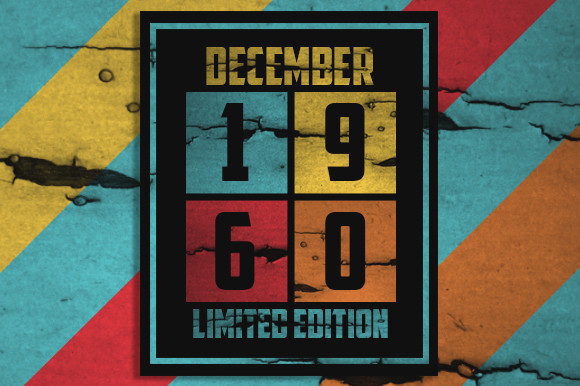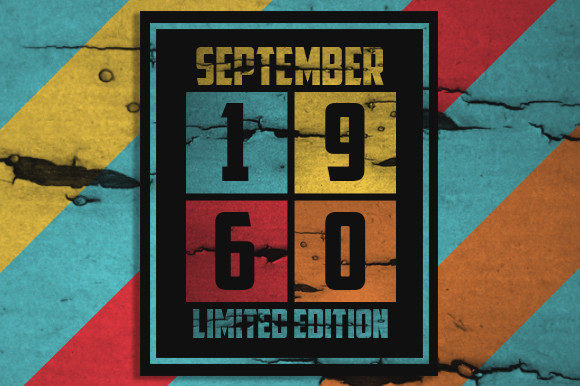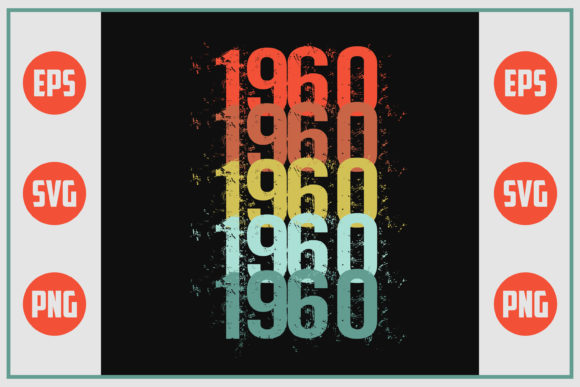
Retro Design - 1960
As a designer and embroidery product reviewer, I’ve seen my fair share of digital files. But when I came across Retro Design - 1960, I knew it had potential. This is more than just an SVG file—it’s a design that could bring a nostalgic vibe to any project. Let me walk through how it performs in real-life embroidery scenarios and what you should consider before using it.
The First Impression
Retro Design - 1960 immediately evokes a sense of nostalgia. The shapes are clean, the layout feels balanced, and the overall visual personality leans into classic mid-century aesthetics. It’s not overly complex, but it has enough detail to stand out without being overwhelming. This design would naturally fit into projects that aim for a vintage or retro look—think custom apparel, baby items, or holiday gifts.
Where It Thrives
When I imagine using Retro Design - 1960 on a tote bag or sweatshirt, it feels right. The design’s scale and structure make it suitable for larger embroidery areas like these. It also works well as an embroidered patch or apron detail. The simplicity of the design allows for easy customization, whether you’re adding text or adjusting colors to match a brand’s palette.
- Custom apparel: Perfect for t-shirts, sweatshirts, and tote bags
- Baby items: Ideal for onesies, blankets, and nursery decor
- Holiday gifts: Great for Christmas stockings, pillow covers, and gift tags
- Commercial embroidery: Suitable for small shop merchandise and boutique branding
Where to Be Cautious
While Retro Design - 1960 is versatile, there are situations where it might not perform as well. If you’re working with small hoop sizes, the design might feel cramped or lose some of its detail. On textured fabrics or thin materials, the stitch density could cause puckering or distortion. Similarly, stretchy fabrics may not hold the design as well as stiffer materials.
For dark fabrics, the design’s contrast might be less visible unless you use a lighter thread color. On curved surfaces like caps or hats, the design could appear stretched or distorted if not properly adjusted. Tiny lettering or detailed corners may require extra attention during the stitching process.
Visual Appeal and Practical Use
Retro Design - 1960 adds a unique touch to any finished product. It enhances the visual appeal of handmade items, making them more attractive to customers. When used on custom apparel, it can elevate the perceived value of a product, especially if paired with high-quality thread and proper stabilizer.
For Etsy sellers or small business owners, this design offers a way to create consistent branding across products. It also makes for a great personalized gift, as the retro theme is universally appealing. However, it’s important to ensure the design looks good in both light and dark fabric backgrounds, and to test it in black and white mockups to see how it translates.
Practical Designer Notes
Before committing to a project, I always recommend testing the design on scrap fabric. This helps identify any issues with stitch density or fabric compatibility. Check the thread color contrast to make sure the design stands out as intended. Confirm the hoop size required for your machine and inspect small details to ensure they’re clear and sharp.
If you’re planning to use Retro Design - 1960 for commercial projects, review the licensing terms carefully. Make sure it’s suitable for both personal and commercial use, and verify that it works well with your embroidery software. Proper stabilizer use is essential, especially on delicate or stretchy fabrics.
Real-Life Scenario: Custom Embroidered Tote Bag
Imagine a customer walks into your shop looking for a unique tote bag. They want something that stands out but isn’t too flashy. Retro Design - 1960 fits the bill perfectly. It adds a vintage flair without being over-the-top. When stitched onto a cotton tote, the design looks clean and professional. The customer loves the look and feels confident that their purchase is one-of-a-kind.
This scenario highlights how Retro Design - 1960 can enhance a product’s appeal. It’s not just about the design itself, but how it integrates into the overall look and feel of the finished item. For crafters and small business owners, this kind of design can make a big difference in customer satisfaction and repeat business.
Final Thoughts
Retro Design - 1960 is a solid choice for designers looking to add a vintage touch to their work. It’s practical, adaptable, and visually appealing. Whether you’re creating custom apparel, baby items, or holiday gifts, this design can help you deliver a quality product that resonates with your audience.
As with any embroidery file, it’s important to approach it with care. Test it thoroughly, pay attention to detail, and make sure it aligns with your project goals. With the right application, Retro Design - 1960 can become a valuable addition to your design assets.