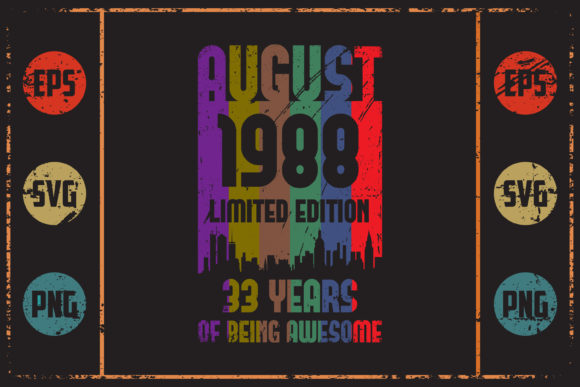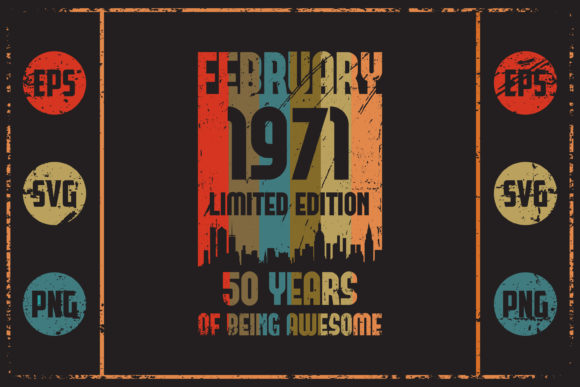
February 1971 - Retro Design
The First Impression of February 1971 - Retro Design
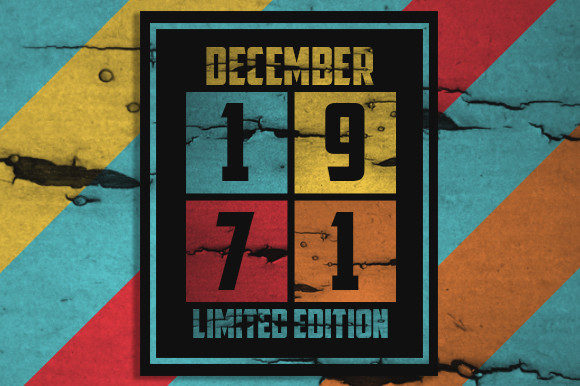
From the moment I opened the .zip file, February 1971 - Retro Design felt like a throwback to a simpler time. The design exudes a warm, nostalgic vibe that immediately makes you think of vintage posters, old photographs, and classic Americana. Its layout is clean and balanced, with a strong central motif that commands attention without overwhelming the space.
The theme is unmistakably retro, with subtle geometric patterns and a muted color palette that feels authentic rather than forced. It’s the kind of design that could easily be mistaken for something from a mid-century magazine or a hand-painted sign. The level of detail is just right—enough to add character but not so intricate that it becomes impractical for embroidery.
This design seems to belong naturally on custom apparel, baby items, or even as an embroidered patch. It has a timeless quality that makes it versatile across different projects and seasons.
February 1971 - Retro Design in Real Embroidery Projects
When I first considered using February 1971 - Retro Design on a custom tote bag, I imagined it as a standout piece that would catch the eye of potential buyers. The design’s scale and shape make it ideal for a medium-sized hoop, which is great for most home embroidery machines. However, I noticed that the design’s curves and corners might require careful stitching to maintain their integrity.
On a sweatshirt, the design would look bold and confident, especially if paired with a contrasting thread color. But on darker fabrics, the details might get lost unless the stitch density is adjusted accordingly. I found that testing the design on scrap fabric before committing to a finished product was essential.
For baby items, the softness of the design’s lines makes it feel gentle and approachable. It would work well on onesies, blankets, or burp cloths, where the visual appeal needs to be both charming and safe. However, the design’s complexity could be a challenge on stretchy or thin fabrics, where the stitches might pucker or distort.
As an embroidered patch, February 1971 - Retro Design could become a unique accessory for jackets, backpacks, or hats. Its structure allows for easy placement and visibility, making it a strong candidate for small business merchandise or personalized gifts.
Where to Use February 1971 - Retro Design Carefully
While February 1971 - Retro Design is versatile, there are some situations where caution is needed. On small hoop sizes, the design may need to be split into sections, which can complicate the stitching process. For textured fabrics, such as denim or canvas, the design’s details might not show up as clearly as on smooth materials.
Thin or stretchy fabrics could also pose challenges. If the design is too dense, it might cause the fabric to pucker or tear. In such cases, using the right stabilizer is crucial. I recommend testing the design on a similar fabric type before proceeding with a final project.
Curved surfaces like caps or hoods can be tricky. The design’s corners and edges may not sit as smoothly as they do on flat surfaces. Similarly, tiny lettering or decorative accents might not hold up well on dark fabrics, where contrast is key to visibility.
Dense stitch areas could lead to stiffness in the fabric, so adjusting the stitch density might be necessary. This is especially important for products that will be washed frequently, such as kitchen towels or aprons.
How February 1971 - Retro Design Affects Visual Appeal and Customer Trust
One of the strongest aspects of February 1971 - Retro Design is its ability to elevate the visual appeal of any project it’s used on. Whether it’s a handmade pillow cover or a custom t-shirt, the design adds a sense of authenticity and craftsmanship that customers appreciate.
Stitching clarity is another factor. The design’s balance between detail and simplicity ensures that it looks clean and professional when embroidered. This helps build customer trust, especially for Etsy sellers or small shop owners who rely on the quality of their work to stand out in a competitive market.
As a personalized gift, February 1971 - Retro Design offers a unique touch that can be tailored to fit specific occasions or themes. Its retro style makes it a great choice for holiday gifts, wedding favors, or birthday presents that feel special and thoughtful.
For brand consistency, this design can serve as a signature element in a craft business’s product line. Its recognizable style can help reinforce a brand’s identity while still allowing for creative flexibility across different items.
Practical Notes for Embroidery Designers and Crafters
Before using February 1971 - Retro Design in a real project, I always recommend testing it on scrap fabric. This helps identify any issues with stitch density, thread color contrast, or fabric compatibility early on.
Reviewing the stitch density is especially important. If the design is too dense, it could affect the fabric’s texture or cause the stitches to break. Adjusting the density based on the material being used can make a big difference in the final result.
Confirming the correct hoop size is another step that shouldn’t be overlooked. While the design appears to work well with a medium hoop, it’s worth checking how it fits on your specific machine.
Inspecting small details is also key. Tiny elements like borders or decorative accents may need extra care to ensure they come out clearly after stitching.
Testing the design in black and white mockups can help visualize how it will look on different fabric backgrounds. Comparing light and dark fabrics is also useful for determining the best thread colors to use.
Using the proper stabilizer is essential, especially on delicate or stretchy fabrics. It helps keep the design in place and prevents distortion during the embroidery process.
Finally, always check whether the design is suitable for both personal and commercial projects. Confirming the licensing terms before selling finished items or digital products is a critical step for any craft business owner.