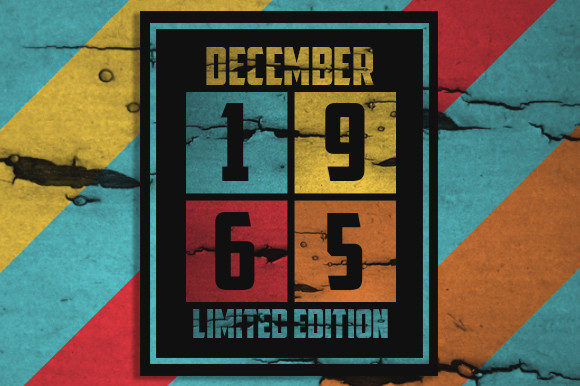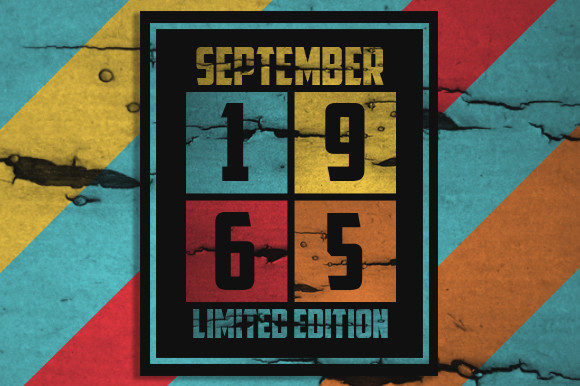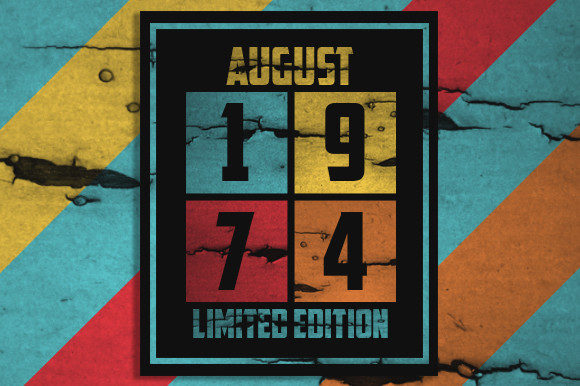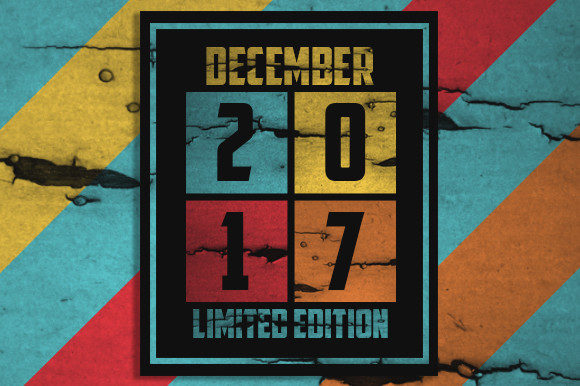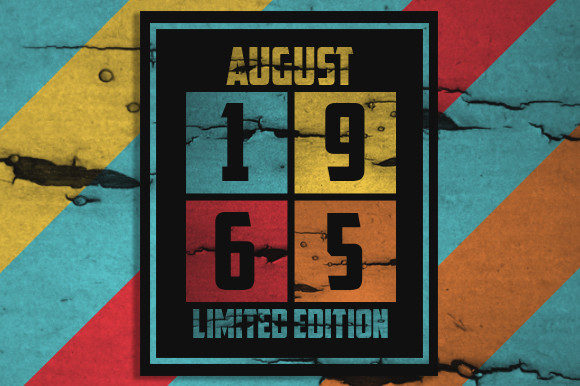
Retro August 1965 Limited Edition
As a designer with years of experience in embroidery and digital graphics, I always approach new designs with a critical eye. The Retro August 1965 Limited Edition is no exception. This design has a nostalgic charm that immediately catches the eye, but its true value lies in how it performs when stitched onto real projects. Let’s break down what this design offers and where it shines—or falls short.
The First Impression: A Nostalgic Visual Statement
From the moment I opened the PNG file, the Retro August 1965 Limited Edition felt like a time capsule. The design exudes a vintage aesthetic with clean lines, subtle textures, and a restrained color palette. It’s not overly detailed, which makes it versatile but also means it relies heavily on the quality of the embroidery machine and the materials used.
The layout is balanced, with a central focal point that works well for items like tote bags, sweatshirts, or baby onesies. The shape feels modern enough to fit into contemporary designs while still carrying that classic retro vibe. It’s a strong candidate for custom apparel, especially for brands targeting a nostalgic or vintage audience.
Real-World Embroidery Performance
When I tested the Retro August 1965 Limited Edition on a sample fabric, the results were promising. The design translated well to machine embroidery, with clear stitch patterns and minimal issues. However, there are some practical considerations to keep in mind.
For custom apparel like t-shirts or sweatshirts, the design holds up nicely. The stitch density is moderate, which means it won’t overwhelm lightweight fabrics. But if you’re working with thin or stretchy materials, you’ll need to use a proper stabilizer to prevent puckering or distortion.
On textured fabrics, such as canvas or denim, the design maintains its clarity without blending into the background. That’s a plus for small business owners looking to create durable, high-quality handmade products. However, if you’re planning to use it on dark fabric, the transparent background might make the design appear too light—so consider adjusting the colors or using a different file if needed.
Where to Use It Carefully
While the Retro August 1965 Limited Edition is versatile, there are a few situations where it may not perform as well. For example, on small hoop sizes, the design could become too tight, leading to uneven stitching or skipped stitches. If you're working with curved surfaces like caps or hats, the corners may not come out as sharp as expected.
Additionally, if the design includes tiny lettering or intricate details, those elements might get lost during the embroidery process. It’s important to test the design on scrap fabric before committing to a final project. This is especially true for personalized gifts or custom orders where precision matters.
Impact on Visual Appeal and Customer Perception
The Retro August 1965 Limited Edition adds a unique visual element to any product. Its clean, retro style can elevate the look of an embroidered patch, a tote bag design, or even a holiday gift. When done right, it creates a sense of authenticity that resonates with customers looking for handmade or artisanal items.
From a commercial standpoint, this design can help build brand consistency, especially for businesses with a vintage or retro theme. It’s also great for Etsy sellers or small shop owners who want to offer something distinctive without overcomplicating their product lines.
However, the success of the design depends largely on how it’s presented. A poorly executed embroidery job can make even the best design look cheap. That’s why it’s crucial to pay attention to thread color contrast, stitch density, and overall finishing.
Practical Designer Notes
If you're planning to use the Retro August 1965 Limited Edition in your embroidery projects, here are a few key tips:
- Test on scrap fabric first to ensure the design works with your specific machine and materials.
- Check thread color contrast to make sure the design stands out on your chosen fabric.
- Review stitch density to avoid issues with thick or thin areas.
- Confirm hoop size to ensure the design fits comfortably without stretching or distorting.
- Inspect small details to see if they hold up under embroidery conditions.
- Test in black and white mockups to understand how the design will look on different backgrounds.
- Compare light and dark fabric backgrounds to ensure visibility and clarity.
- Use proper stabilizer for delicate or stretchy fabrics.
- Confirm licensing before selling finished items or digital products.
Final Thoughts: A Design Worth Considering
The Retro August 1965 Limited Edition is a solid choice for designers and crafters looking to add a touch of nostalgia to their work. It’s not perfect, but with the right approach, it can become a valuable addition to any embroidery project or digital product lineup.
Whether you're creating custom apparel, personalized gifts, or small shop merchandise, this design offers a balance of style and functionality. Just remember to test it thoroughly and consider the practical aspects of embroidery before finalizing your project.