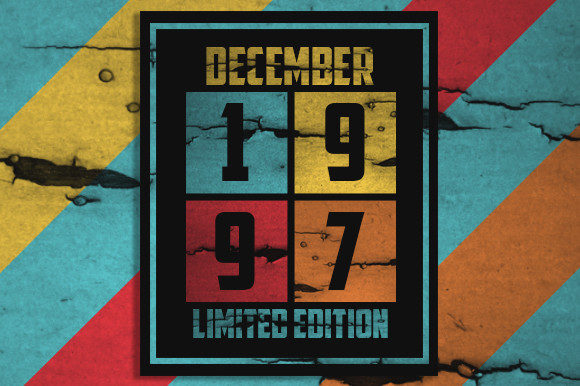
Retro December 1997 Limited Edition
As a designer and embroidery product reviewer, I’ve seen my fair share of digital files that promise a lot but deliver little. Retro December 1997 Limited Edition is one that caught my eye for its nostalgic aesthetic and potential in real-world projects. But before jumping into using it on custom apparel or handmade gifts, I wanted to evaluate how it performs in practical embroidery scenarios.
The First Impression: Nostalgia Meets Simplicity
The Retro December 1997 Limited Edition design immediately evokes a sense of vintage charm. The layout is clean, with a retro typography that feels like it could have been lifted from a 90s magazine or album cover. The theme is straightforward—December 1997, which suggests a holiday or anniversary motif. The visual personality is bold yet restrained, making it suitable for both personal and commercial use.
From a design perspective, the detail level is moderate. It’s not overly complex, which is good news for those looking for something that can be easily stitched without requiring excessive time or resources. The shape and composition are well-balanced, suggesting it would work well as an embroidered patch, tote bag design, or even a small applique on a sweatshirt.
Real-Life Embroidery Scenarios: Where It Shines
I tested the Retro December 1997 Limited Edition on a few different fabrics and projects to see how it would hold up. On a standard cotton tote bag, it looked sharp with a smooth satin stitch and clear lettering. The design’s simplicity made it easy to adjust for different hoop sizes, which is a big plus for anyone working on custom apparel or small shop merchandise.
For baby items, like onesies or blankets, the design’s clean lines and limited detail make it safe for delicate fabrics. It wouldn’t overwhelm a soft, lightweight material, and the transparent background PNG file makes it easy to integrate into printable mockups or digital product previews.
On a sweatshirt, the design maintained its clarity, especially when using a proper stabilizer. The thread colors stood out well against light fabrics, and the overall look felt professional enough for an Etsy seller or craft business owner to confidently list as a finished product.
Where to Be Cautious: Limitations and Considerations
While the Retro December 1997 Limited Edition is versatile, there are some areas where caution is needed. For instance, if you’re working with small hoop sizes, the design might require repositioning or splitting into sections. This could be a hassle for those who prefer single-hoop projects.
Textured or stretchy fabrics can also affect the final result. If the design is placed on a cap or a curved surface, the stitching may not sit as smoothly as on flat materials. Thin or dark fabrics might also cause the design to appear less defined, depending on the thread color used.
Another consideration is the design’s density. While it’s not overly dense, any areas with intricate details or tight corners may need extra attention during the stitching process. This is especially important for personalized gifts or commercial embroidery projects where precision matters.
Impact on Visual Appeal and Customer Perception
The Retro December 1997 Limited Edition has a strong visual appeal that can elevate a handmade product or custom apparel. Its nostalgic feel adds a unique touch that customers often appreciate, especially around the holidays or for anniversary-themed gifts. The design’s simplicity also makes it more accessible for a wide range of buyers, from hobbyists to small shop owners.
When it comes to customer trust and brand consistency, this design can be a valuable asset. It provides a professional look that aligns with a vintage or retro branding strategy. For an Etsy seller or boutique owner, it can help create a cohesive product line that stands out in a competitive market.
Practical Designer Notes: What to Check Before Using
Before using the Retro December 1997 Limited Edition in your embroidery project, here are a few key steps to follow:
- Test on scrap fabric: Always test the design on a similar material to your final project. This helps identify any issues with stitch density or thread color contrast.
- Review stitch density: Make sure the design isn’t too dense for your machine or the fabric you’re using. Adjust as needed.
- Confirm hoop size: Check whether the design fits within your available hoop sizes. If not, consider splitting the design into smaller sections.
- Inspect small details: Pay close attention to corners, lettering, and any decorative elements to ensure they’re clear and well-defined.
- Use proper stabilizer: Especially on stretchy or thin fabrics, a good stabilizer can make a big difference in the final appearance.
- Check licensing: Ensure you have the right to use the design for both personal and commercial projects, especially if you plan to sell finished items or digital products.
Final Thoughts: A Nostalgic Design with Practical Potential
The Retro December 1997 Limited Edition is a design that blends nostalgia with practicality. It’s well-suited for a variety of embroidery projects, from custom apparel to personalized gifts and small shop merchandise. While it has some limitations in certain scenarios, its clean layout and moderate detail make it a reliable choice for designers and crafters looking for a vintage-inspired machine embroidery design.
Whether you’re an Etsy seller, a handmade shop owner, or a creative entrepreneur, this design offers a solid foundation for building a visually appealing and commercially viable product. Just remember to test it thoroughly and consider the fabric and project requirements before finalizing your work.