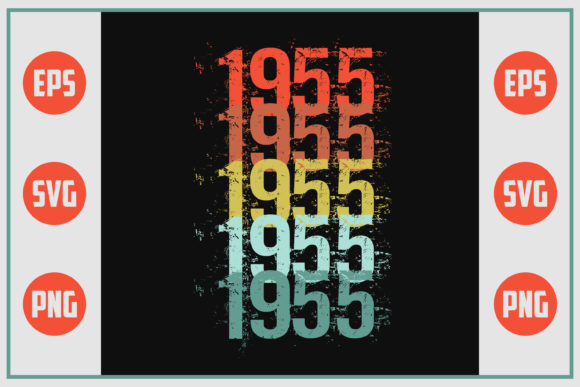
Retro Design - 1955
As a designer with years of experience in embroidery and digital graphics, I’ve evaluated countless machine embroidery designs. Retro Design - 1955 is one that stands out for its nostalgic charm and versatility. It’s not just a design—it’s a story waiting to be stitched onto fabric. But like any good project, it requires thoughtful consideration before use.
The First Impression: A Nostalgic Visual Journey
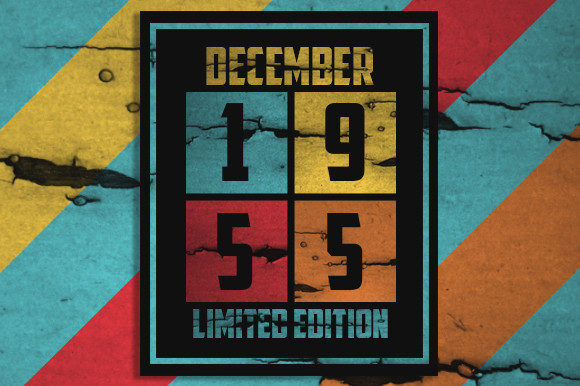
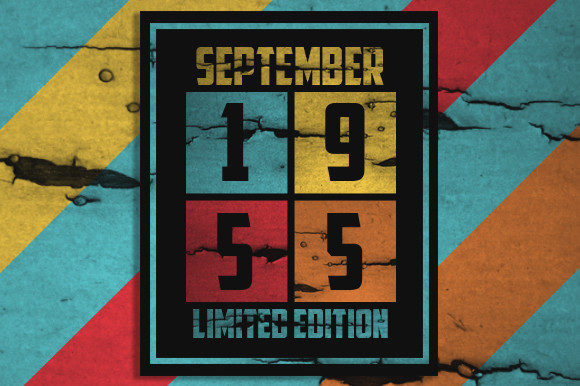
Retro Design - 1955 immediately evokes a sense of timelessness. The layout is clean, the shapes are bold, and the overall aesthetic feels like it could have been pulled from a vintage poster or a mid-century advertisement. The detail level is just right—enough to make an impact without overwhelming the eye. It has a visual personality that leans into simplicity but doesn’t sacrifice character.
This design would naturally fit into projects that aim to capture a retro vibe. Think of a custom embroidered tote bag, a vintage-style sweatshirt, or a baby onesie with a playful, old-school flair. It’s the kind of design that can elevate a handmade product or a personalized gift without feeling too modern or too outdated.
Real-World Embroidery Performance
When I first opened the .zip file, I was pleased to see it included an SVG file. That makes it compatible with a wide range of design software, which is a big plus for anyone who wants to tweak the design or use it in different contexts. However, since it’s a digital download only, I recommend testing it on scrap fabric before committing to a real project.
In practice, Retro Design - 1955 works well on most standard fabrics. The stitch density isn’t too heavy, which means it won’t cause puckering on thin or stretchy materials. That said, if you’re planning to use it on a cap or a curved surface, you’ll need to adjust your hoop size and stabilizer accordingly. A small hoop might not accommodate the full design, so be sure to check your machine’s capabilities.
For custom apparel, such as a sweatshirt or t-shirt, this design adds a unique touch. It’s perfect for a boutique product or a small shop merchandise item. If you’re an Etsy seller or a craft business owner, it could be a great addition to your inventory, especially around holidays or special events.
Where to Use It Carefully
While Retro Design - 1955 is versatile, there are certain scenarios where it might not perform as well. On dark fabrics, the design may appear less distinct unless you choose a contrasting thread color. Similarly, on textured or thick fabrics, the details might get lost. You’ll want to test it on your intended material before proceeding.
If you’re working with small hoop sizes, you might need to split the design or resize it. Tiny lettering or intricate corners could become distorted if not handled properly. Also, if you plan to use it on a layered garment or a stretchy fabric, be mindful of how the stitches will hold up over time.
For commercial embroidery projects, this design could work well, but always confirm the licensing terms before selling finished items or digital products. Make sure the design aligns with your brand’s aesthetic and that it meets your customers’ expectations.
Visual Appeal and Customer Perception
Retro Design - 1955 has a strong visual appeal that can enhance the value of any handmade product. Its retro look is instantly recognizable, which can help build customer trust and increase buyer engagement. Whether it’s used on a pillow cover, a kitchen towel, or a holiday gift, it brings a sense of authenticity and craftsmanship.
From a branding perspective, this design could be a valuable asset for a small shop or a creative entrepreneur looking to establish a consistent style. It’s also ideal for personalized gifts, as the nostalgic feel adds an emotional connection that resonates with many buyers.
Practical Designer Notes
Before using Retro Design - 1955 in any project, here are a few key steps to follow:
- Test the design on scrap fabric to ensure it looks as expected.
- Check thread color contrast, especially on dark or light backgrounds.
- Review stitch density to avoid issues with fabric distortion.
- Confirm the hoop size required for your machine.
- Inspect small details for clarity and consistency.
- Test it in black and white mockups to see how it translates.
- Use proper stabilizer to prevent puckering or shifting.
- Ensure the design works for both personal and commercial use.
- Verify licensing before selling finished items or digital products.
These steps will help you maximize the potential of Retro Design - 1955 and ensure that your finished product meets your standards and your customers’ expectations.
Final Thoughts: A Timeless Addition to Your Design Toolkit
Retro Design - 1955 is more than just a digital embroidery file—it’s a design that can bring a unique flair to your projects. Whether you’re creating custom apparel, personalized gifts, or small business merchandise, it offers a nostalgic touch that can set your work apart.
As with any embroidery design, the success of Retro Design - 1955 depends on how well it’s executed. With careful planning and attention to detail, it can become a valuable part of your design assets. Just remember to test, adapt, and ensure it fits your specific needs and goals.