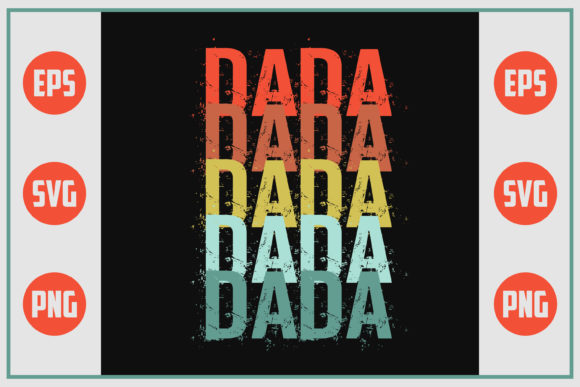
Retro Design - Dada
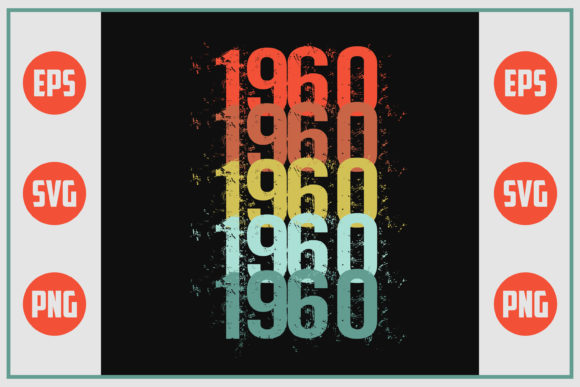
As a designer who’s spent years working with machine embroidery designs, I always start by evaluating a new file based on its visual appeal, practicality, and how it translates to real-world use. Retro Design - Dada is one that immediately caught my attention. Its bold, nostalgic aesthetic feels like a throwback to the 1960s art scene, with a clean, geometric layout that screams retro chic. The design has a strong personality—simple yet striking, with enough detail to stand out without being overwhelming.
The First Impression: A Nostalgic Visual Statement
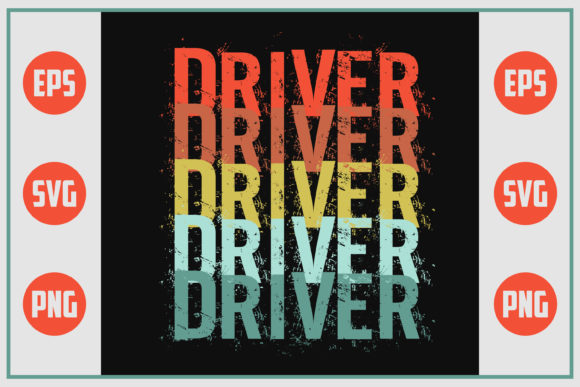
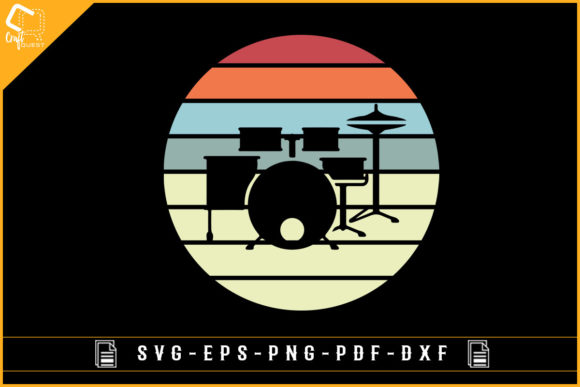
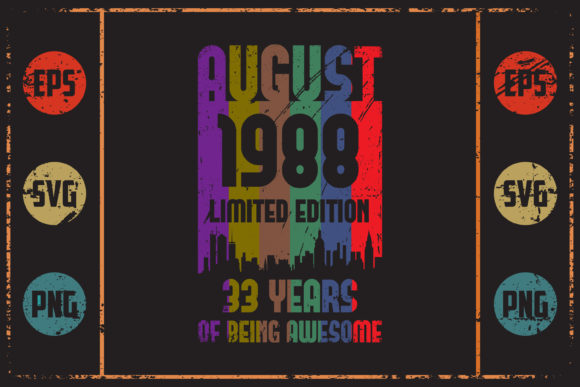
Retro Design - Dada opens with a clear visual identity. The shapes are crisp, the lines are intentional, and the overall composition feels balanced. It’s the kind of design that could easily be used in a variety of projects, from custom apparel to home decor. The theme is unmistakably retro, which makes it ideal for clients looking for something unique but not overly complex.
When I first saw the SVG file, I noticed that the design isn’t too dense. That’s a big plus for embroidery, as it means it can be stitched quickly without overloading the machine or causing fabric distortion. The layout also suggests it would work well on larger surfaces like tote bags or sweatshirts, where the retro vibe can really shine.
Real-Life Embroidery Scenarios: Where It Thrives
Imagine you’re preparing a custom embroidered tote bag for a client who wants something eye-catching but not too flashy. Retro Design - Dada would be a perfect fit. Its simplicity allows it to stand out on a plain canvas, while the retro feel adds a layer of character that makes the product more memorable.
It also works well for baby items, such as onesies or blankets. The design’s clean lines and lack of small details make it safe for delicate fabrics, and the nostalgic touch can add a special flair to personalized gifts. For a small shop product, this design could be a standout item that appeals to customers looking for something different from the usual floral or cartoon motifs.
As an Etsy seller, I’d consider using Retro Design - Dada for printable mockups or digital product previews. Its high contrast and clear structure make it easy to visualize on different backgrounds, whether it’s a white t-shirt or a dark hoodie. This versatility is a big win for designers who want to offer multiple options without creating separate files.
Where to Be Careful: Limitations and Considerations
While Retro Design - Dada is great for many applications, there are some situations where it might not perform as well. For example, if you’re working with small hoop sizes, the design might require multiple hooping sessions, which can be time-consuming. Similarly, if you’re trying to stitch it onto textured or stretchy fabrics, the design’s flatness could lead to distortion or uneven stitching.
On dark fabrics, the design’s contrast may not be as strong, so it’s worth testing it with different thread colors to ensure visibility. If you’re planning to use it on curved surfaces like caps or hats, the design’s straight lines could look awkward unless properly adjusted. Tiny lettering or intricate corners might not hold up well, especially if the stitch density is too low.
Visual Appeal and Practical Value
Retro Design - Dada has the potential to elevate any project it’s used on. Its bold style adds a sense of sophistication that can make handmade products feel more premium. When used correctly, it can boost customer trust, as the design looks professional and well-crafted.
For small business owners, this design offers a solid foundation for branding. It’s versatile enough to be used across different products, from clothing to home goods, and its retro aesthetic can help create a cohesive look that stands out in a crowded market. As a digital product seller, I appreciate how it can be used in printable mockups, allowing customers to see how it will look before purchasing.
Embroidery Designer Notes: Practical Tips for Using Retro Design - Dada
Before jumping into a full project, I always recommend testing the design on scrap fabric. This helps identify any issues with stitch density, stabilizer needs, or fabric compatibility. Checking thread color contrast is also important, especially if you’re planning to use the design on dark or light backgrounds.
Make sure to confirm the hoop size required for your machine. If the design is large, you may need to split it into sections or adjust the layout. Inspecting small details like corners or edges can prevent unexpected results during stitching. Testing the design in black and white mockups can also help you understand how it will look in different contexts.
Using the right stabilizer is crucial, especially when working with thin or stretchy fabrics. It ensures the design stays in place and maintains its shape. Lastly, always check the licensing terms before selling finished items or digital products. Even though Retro Design - Dada is a digital download, it’s important to confirm what you’re allowed to do with it commercially.
Final Thoughts: A Versatile and Nostalgic Choice
Retro Design - Dada is a design that balances nostalgia with modern practicality. It’s not overly complicated, but it still has enough character to make a statement. Whether you’re an embroidery designer, a small business owner, or a hobbyist, this design offers a range of possibilities that can be tailored to different projects and audiences.
If you’re looking for a machine embroidery design that feels fresh yet familiar, Retro Design - Dada is definitely worth considering. Just remember to test it thoroughly and use it where it will shine the most. With the right approach, it can become a valuable addition to your design assets and a crowd-pleasing choice for your customers.