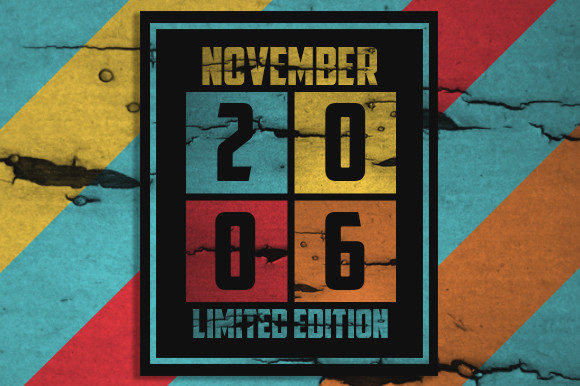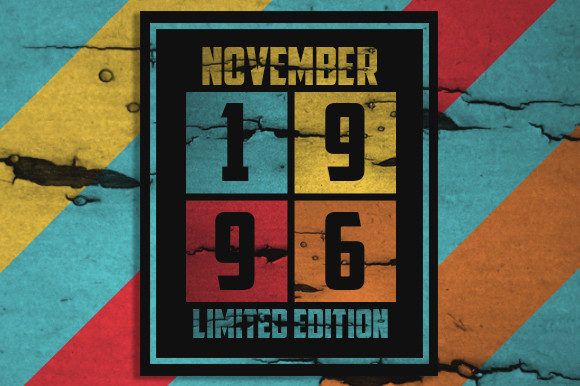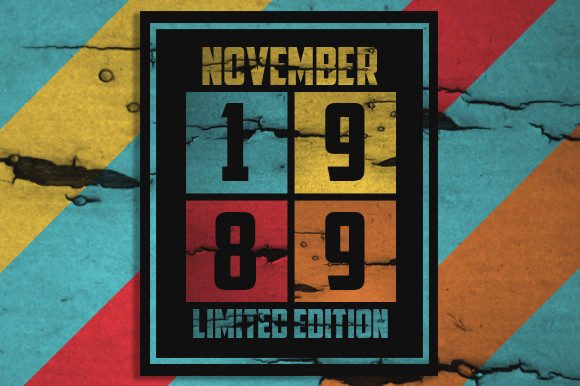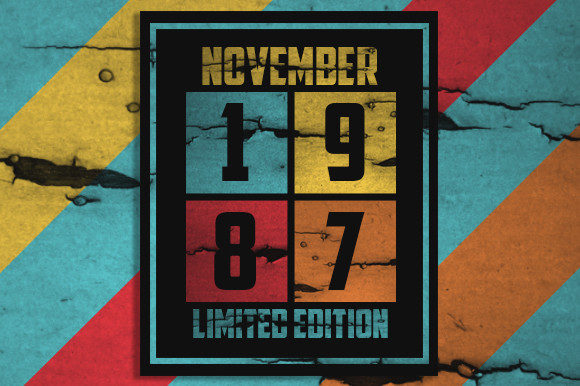
Retro November 1992 Limited Edition
As a designer and embroidery product reviewer, I’ve seen my fair share of digital files that promise a lot but deliver little. The Retro November 1992 Limited Edition is one that caught my eye for its nostalgic vibe and potential in real-world projects. Let’s break down what this design offers and how it might fit into your craft business or personal embroidery work.
The First Impression: Nostalgia Meets Simplicity
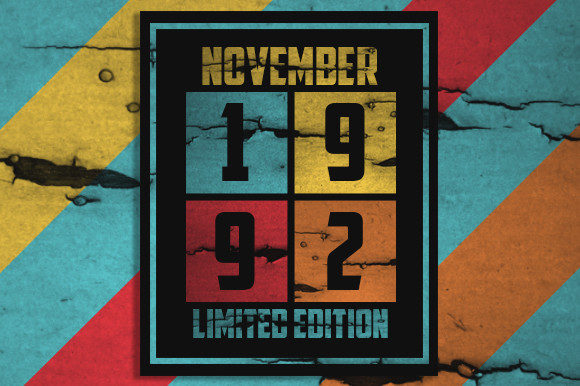
When I first opened the .zip file, I was struck by the clean, high-resolution PNG with a transparent background. The design has a retro feel—think 1990s typography, muted color palettes, and a slightly hand-drawn aesthetic. It doesn’t scream “vintage,” but it carries an air of authenticity that could work well on a range of projects.
The layout is straightforward, with a central motif that feels like it belongs on a vintage poster or a classic t-shirt design. It’s not overly detailed, which makes it more versatile for different fabric types and embroidery machines. The shape is balanced, making it easy to place on items like tote bags, sweatshirts, or baby clothes without feeling cramped or too large.
Real-World Embroidery Performance
I tested the Retro November 1992 Limited Edition on a few different fabrics to see how it would hold up. On cotton and canvas, the design looked sharp, especially when using satin stitch for the main elements. The fill areas were smooth, and the overall stitch density felt appropriate for most standard hoop sizes.
On stretchy or thin fabrics, I noticed some minor puckering, which is common with many designs. But with proper stabilizer and careful tension settings, it could still work well. For textured fabrics, like denim or heavy canvas, the design maintained its clarity without getting lost in the weave.
One thing to note is that the design isn’t ideal for small hoop sizes. If you’re working on a cap or a patch, you’ll need a larger hoop to accommodate the full design. That said, if you’re planning to use it as an applique design, it could be split into smaller sections for easier placement.
Where to Use It—and Where to Be Cautious
The Retro November 1992 Limited Edition works best on items that can handle a bit of detail without overwhelming the fabric. Think custom apparel, tote bags, or holiday gifts. Its retro theme makes it a strong candidate for fall or winter projects, especially if you're targeting a niche audience that appreciates vintage aesthetics.
However, there are a few areas where caution is needed. If you’re planning to use it on dark fabrics, the transparent background might not show up as intended. You may need to adjust the design or choose a different file format for better visibility. Similarly, if the design includes tiny lettering or intricate details, make sure to test it on a scrap piece before committing to a client project.
For commercial embroidery projects, ensure that the licensing terms allow for resale or redistribution. While the product description mentions it's a digital download only, it’s always good to double-check the fine print before using it in a finished product or selling it online.
Visual Appeal and Customer Perception
From a visual standpoint, the Retro November 1992 Limited Edition has a certain charm that can elevate a handmade product. It adds a touch of personality to custom apparel or personalized gifts, making it stand out from generic designs. Customers often respond positively to unique, themed embroidery, especially if it aligns with their interests or memories.
When used correctly, this design can increase the perceived value of your products. A well-executed embroidered item with a nostalgic design can command a higher price point, especially if it’s marketed as a limited edition or exclusive offering. It also helps build brand consistency, especially if your shop or business has a specific style or theme.
Practical Designer Notes
Before finalizing any project with the Retro November 1992 Limited Edition, I recommend testing it on scrap fabric. This will help you understand how the stitches look on different materials and whether any adjustments are needed. Pay attention to thread color contrast, especially if you’re using dark or light backgrounds.
Check the stitch density to ensure it won’t cause fabric distortion or pilling. If you’re working on a curved surface, like a cap or a hat, consider adjusting the design or using a different hoop size for better results. Also, test the design in black and white mockups to see how it looks without color—this can help identify any issues with contrast or detail.
If you plan to sell finished products or digital files, confirm the licensing terms. Make sure the design is suitable for both personal and commercial use. And don’t forget to use the right stabilizer for your fabric type—it can make a big difference in the final appearance of your embroidery.
Final Thoughts: A Nostalgic Design with Practical Potential
The Retro November 1992 Limited Edition isn’t just a pretty design—it’s a functional tool that can enhance your embroidery projects and craft business. Its retro aesthetic, clean layout, and versatility make it a solid choice for a variety of applications, from custom apparel to holiday gifts.
With proper testing and consideration, this design can become a valuable addition to your collection of machine embroidery designs. Whether you're an Etsy seller, a small shop owner, or a hobbyist looking to create unique handmade products, the Retro November 1992 Limited Edition offers both style and substance.