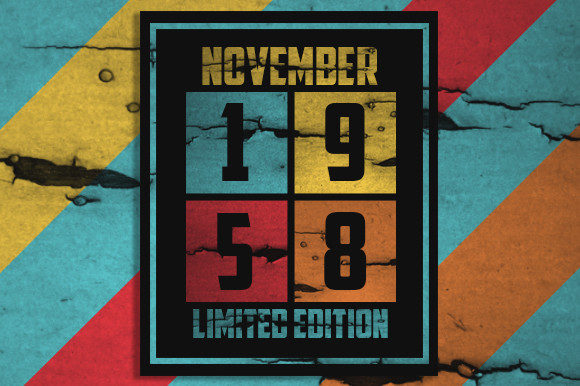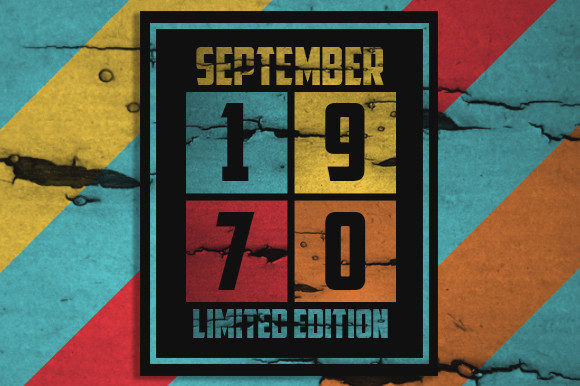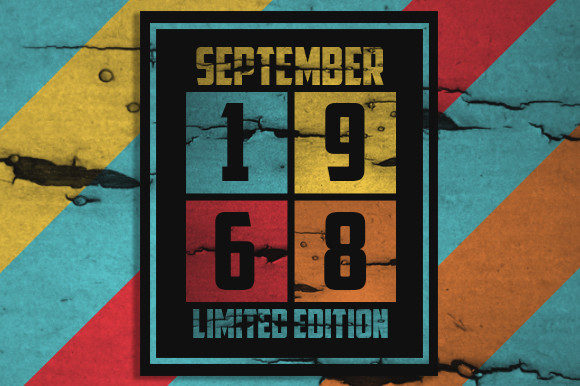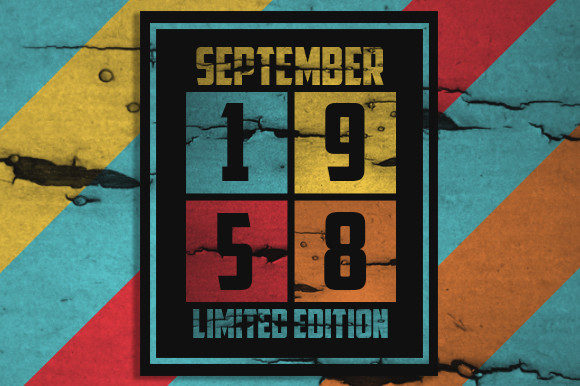
Retro September 1958 Limited Edition
As a designer with years of experience in embroidery and digital graphics, I’ve seen my fair share of designs that look great on a screen but fall flat when stitched. The Retro September 1958 Limited Edition is one that demands attention—not just for its nostalgic aesthetic, but for how it translates to real-world embroidery projects. Let’s break down what this design offers and where it truly shines.
First Impressions: A Nostalgic Visual Statement
The Retro September 1958 Limited Edition immediately evokes a sense of vintage charm. Its clean lines, retro typography, and subtle graphic elements create a mood that feels both timeless and modern. The design isn’t overly complicated, which makes it versatile for a range of applications. It’s the kind of piece that could easily become a signature element in a handmade shop or a standout feature on a custom apparel item.
What stands out is the balance between detail and simplicity. There’s enough visual interest to make it memorable without being overwhelming. This makes it ideal for projects that require a strong visual identity, like embroidered patches, tote bags, or holiday gifts.
Real-World Embroidery Performance
When considering the Retro September 1958 Limited Edition for real-life use, the first thing to note is its adaptability. Whether you’re working on a sweatshirt, a baby onesie, or a personalized gift, this design has the potential to elevate the finished product. Its high-resolution PNG file ensures clarity, making it suitable for both digital mockups and actual stitching.
However, there are practical considerations. For instance, if you're planning to use this on a small hoop, you may need to adjust the design or split it into sections. Similarly, on textured or stretchy fabrics, the stitch density might need fine-tuning to prevent puckering or distortion.
Where It Thrives: Custom Apparel and Handmade Products
This design excels on larger, flat surfaces like tote bags, aprons, and pillow covers. It also works well on garments that don’t require tight stitching, such as cotton t-shirts or unstructured jackets. The retro theme pairs well with casual, everyday items, making it a solid choice for a craft business or Etsy seller looking to add a unique touch to their offerings.
For small shop products, the Retro September 1958 Limited Edition can serve as a focal point for branding. Whether it's used on a seasonal item or a limited-edition collection, its visual appeal adds value and helps build customer recognition.
Where to Be Cautious: Fabric and Stitching Challenges
While the design is visually appealing, it’s not without limitations. On dark fabrics, the contrast may be less effective, especially if the thread color isn’t chosen carefully. Thin or stretchy materials can also pose challenges, particularly if the design includes intricate details or dense stitch areas.
If you're planning to use this on a cap or a curved surface, consider how the design will translate. Rounded edges or curved shapes may require adjustments to maintain the intended look. Tiny lettering or detailed corners could get lost if not handled properly during the stitching process.
Impact on Visual Appeal and Customer Perception
The Retro September 1958 Limited Edition has the potential to enhance the visual appeal of any project it’s used on. When executed well, it adds a layer of professionalism and creativity that can set a handmade product apart from the competition. Customers often respond positively to designs that feel authentic and well-crafted, which this piece delivers.
From a business perspective, using this design can increase the perceived value of your products. It adds a unique element that customers may find more desirable than generic patterns. This is especially true for personalized gifts or custom apparel, where the design plays a key role in the overall presentation.
Practical Designer Notes: Testing and Preparation
Before committing to a large batch of projects, I recommend testing the Retro September 1958 Limited Edition on scrap fabric. This allows you to see how the design looks in real life and identify any issues with stitch density, thread color, or fabric compatibility.
Also, check whether the design works in black and white mockups. Sometimes, a design that looks good in color may not translate as well in monochrome, especially if the details are too subtle. Compare it against both light and dark fabric backgrounds to ensure visibility and clarity.
Stabilizer and Stiching Tips
Using the right stabilizer is crucial, especially for delicate or stretchy fabrics. A good stabilizer will help maintain the shape of the design and prevent distortion. If the design includes satin or fill stitches, pay close attention to the density to avoid overcrowding or uneven stitching.
For applique designs or those with layered elements, make sure the stitching is consistent and the edges are clean. This is especially important for baby items or products that will be used frequently, as durability and safety are key concerns.
Commercial Use and Licensing Considerations
If you're planning to use the Retro September 1958 Limited Edition for commercial purposes, always confirm the licensing terms before proceeding. While the design is available as a digital download, the rights to sell finished products or resell the file may vary depending on the provider.
For digital product sellers, this design can be a valuable asset for printable mockups or marketing materials. However, ensure that the file format and resolution meet your needs before incorporating it into your workflow.
Final Thoughts: A Design Worth Considering
The Retro September 1958 Limited Edition is a design that balances nostalgia with practicality. It’s not perfect for every project, but when used correctly, it can add a unique and appealing touch to a wide range of embroidery work. Whether you're an Etsy seller, a craft business owner, or a creative entrepreneur, this design is worth testing and integrating into your portfolio.
Its versatility, visual appeal, and potential for customization make it a strong candidate for a variety of handmade and commercial projects. Just remember to approach it with care, test it thoroughly, and tailor it to the specific needs of your clients or customers.