September 1973 - Retro Design
First Impressions of September 1973 - Retro Design
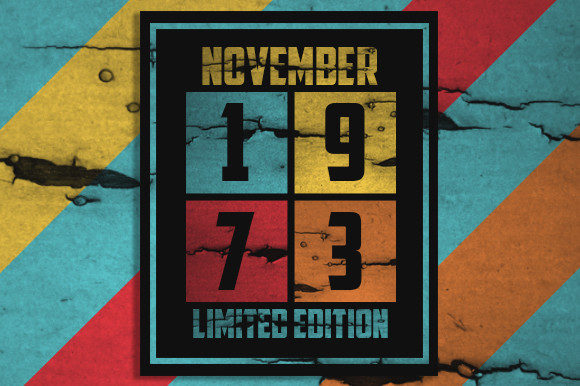
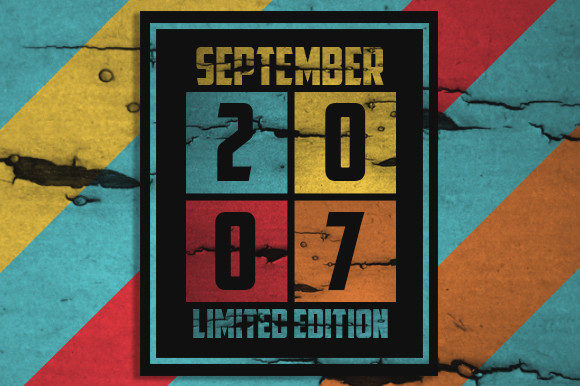
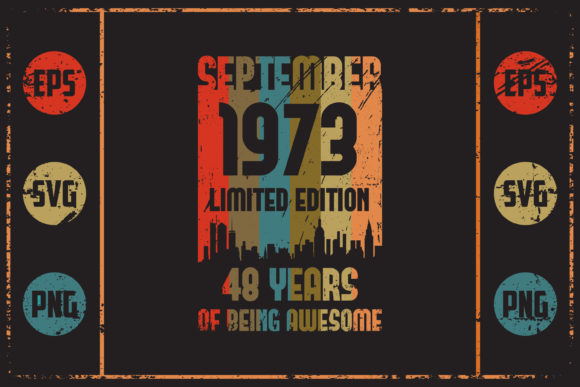
The September 1973 - Retro Design immediately evokes a sense of nostalgia. The color palette, layout, and typography feel like they stepped out of a vintage magazine or a classic film set. It’s clean yet bold, with a visual personality that leans into the mid-20th-century aesthetic. The design is simple enough to work on a variety of projects but detailed enough to stand out as a unique statement piece.
This is the kind of machine embroidery design that could easily become a signature element for a small business or a handmade shop. It has the potential to be used on custom apparel, baby items, or even as a decorative accent on home goods. The retro vibe makes it versatile, but it also comes with specific considerations when it comes to execution and presentation.
Real-Life Use Cases for September 1973 - Retro Design
Imagine you’re working on a custom embroidered tote bag for a client who wants something that feels both timeless and modern. The September 1973 - Retro Design would fit perfectly as a central motif. Its clean lines and balanced composition make it ideal for a large hoop size, ensuring that the details remain sharp and readable.
For a sweatshirt embroidery project, this design would look great in a medium-sized placement. It doesn’t require excessive stitch density, which is a plus for those looking to keep costs down while maintaining quality. The design also works well as an embroidered patch, especially if you're creating a personalized gift or a branded item for a small business.
When used on baby clothes, the softness of the retro theme can add a charming touch without being too overwhelming. It’s a great option for nursery decor or a keepsake item that parents will appreciate. For holiday or wedding gifts, the design’s nostalgic appeal can add a personal and meaningful element to the finished product.
Considerations for Using September 1973 - Retro Design
While the September 1973 - Retro Design is visually appealing, there are a few things to keep in mind when using it in real-life embroidery situations. If you're working with small hoop sizes, you may need to adjust the design to fit properly. This could involve resizing or splitting the design into sections, which might affect the overall balance and clarity.
Textured fabrics, thin materials, or stretchy garments can also pose challenges. The design’s detail level may not translate well on these surfaces, so testing on scrap fabric first is essential. Similarly, dark fabrics may require a different thread color to ensure visibility, and layered garments may need extra stabilizer to prevent shifting during stitching.
Curved surfaces like caps or hoods can be tricky. The design may need to be adjusted to follow the curve, which could impact the overall look. Tiny lettering or intricate corners may not hold up well if the stitch density is too low. It’s important to review the design’s structure carefully before committing to a final project.
Impact on Visual Appeal and Customer Perception
The September 1973 - Retro Design has the potential to elevate the visual appeal of any project it’s used on. Its clean and classic look can add a sense of sophistication to handmade products, making them more desirable for customers. When used on custom apparel or boutique merchandise, it can enhance the perceived value of the finished product.
From a customer perspective, this design can create a strong emotional connection. People often gravitate toward nostalgic elements, and the retro style of September 1973 - Retro Design can make a product feel more special. It’s also a good choice for gift items, as the design’s timeless nature ensures it remains relevant across different seasons and occasions.
For small business owners and Etsy sellers, this design can help build brand consistency. Using a cohesive aesthetic across multiple products can strengthen a brand’s identity and increase customer recognition. It’s also a great option for printable mockups or digital product previews, as it looks professional and polished in both black and white and full color.
Practical Tips for Embroidery Designers
If you're planning to use the September 1973 - Retro Design in your own projects, start by testing it on scrap fabric. This will give you a clear idea of how the design looks after stitching and whether any adjustments are needed. Check the thread color contrast to ensure the design stands out on the chosen fabric.
Review the stitch density to make sure it’s appropriate for the intended use. A high stitch density may cause the fabric to pucker, while a low density might result in a less defined look. Confirm the hoop size required for the design to avoid any issues during the embroidery process.
Inspect small details closely, especially if the design includes text or intricate patterns. Test the design in black and white mockups to see how it appears without color. Compare it against both light and dark fabric backgrounds to ensure it remains visible and effective in all scenarios.
Use the proper stabilizer for the fabric type you're working with. This will help maintain the integrity of the design and prevent distortion. Make sure the design is suitable for both personal and commercial projects, and always confirm the licensing terms before selling finished items or digital products.
Final Thoughts on September 1973 - Retro Design
The September 1973 - Retro Design is a strong option for anyone looking to add a vintage flair to their embroidery projects. It’s versatile enough to work on a wide range of items, from custom apparel to personalized gifts. However, its success depends on how well it’s executed and how well it fits the intended use case.
As an experienced designer, I recommend approaching this design with care and attention to detail. Whether you're running a craft business, creating handmade products, or working on a client project, the September 1973 - Retro Design can be a valuable addition to your design assets. Just remember to test, adjust, and consider the practical aspects of each project before moving forward.