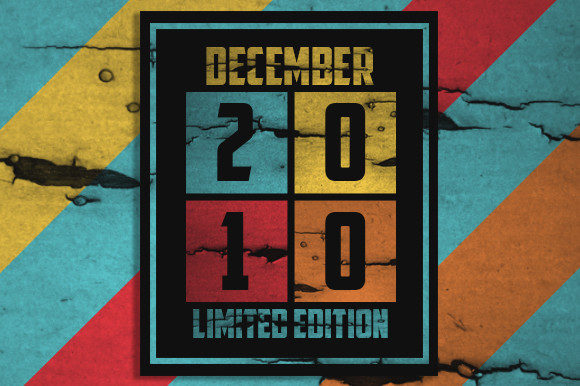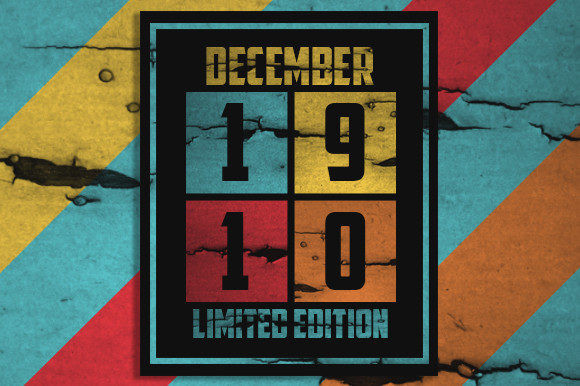
Retro December 1910 Limited Edition
As a designer and embroidery product reviewer, I’ve seen my fair share of digital files. But when I came across the Retro December 1910 Limited Edition, it immediately caught my attention. This isn’t just another design—it’s a piece of history wrapped in a modern digital format. The first thing I noticed was the nostalgic aesthetic, which feels like a throwback to early 20th-century typography and motifs. It’s clean, elegant, and has a timeless quality that could work well in a variety of projects.
The First Impression: Nostalgia Meets Simplicity
Looking at the Retro December 1910 Limited Edition, the mood is instantly recognizable. It’s subtle but impactful, with a layout that feels intentional. The design uses a strong central element—likely a date or emblem—that’s framed by ornate borders or decorative flourishes. The high-resolution PNG file offers crisp details, making it ideal for embroidery projects where clarity matters. The transparent background adds flexibility, allowing it to be placed on any fabric or backdrop without unwanted shadows or edges.
This design would naturally fit into vintage-themed apparel, holiday decorations, or personalized gifts. Its structure suggests it could be used as an embroidered patch, a tote bag design, or even a small embroidery project for a baby item. The visual personality leans toward elegance rather than boldness, making it perfect for handmade products that aim to feel authentic and thoughtful.
Real-World Embroidery Use Cases
When I think about how the Retro December 1910 Limited Edition would perform in real-life embroidery situations, I imagine it being used on custom apparel, such as sweatshirts or t-shirts. The design’s size and detail level make it suitable for medium-sized hoops, but I’d recommend checking the exact dimensions before starting. For a tote bag design, this could be a standout feature, especially if paired with a complementary color scheme.
It also works well for baby items, where soft, elegant designs are preferred. A simple embroidered onesie with this motif could become a cherished keepsake. On caps or hats, the design might require some adjustment, as curved surfaces can challenge intricate details. However, with proper stabilizer and careful stitching, it could still look great.
For craft businesses and Etsy sellers, this design offers a unique selling point. It could be used in printable mockups, digital product previews, or as part of a downloadable embroidery file collection. Its limited edition status adds a sense of exclusivity, which can help drive sales and create urgency among buyers.
Where to Be Cautious
While the Retro December 1910 Limited Edition is visually appealing, there are areas where caution is needed. If you’re working with small hoop sizes, the design might not fit comfortably, requiring re-sizing or simplification. Textured fabrics or thin materials could cause the stitches to appear uneven or distorted, so testing on scrap fabric is essential.
On dark fabrics, the design’s contrast may need adjustment, depending on the thread colors chosen. Thin or stretchy materials can also affect stitch density and stability, so using the right stabilizer is crucial. For detailed corners or tiny lettering, the design might lose some definition, so it’s worth reviewing the file closely before committing to a project.
If you plan to use this in commercial embroidery or for a boutique product, make sure to confirm the licensing terms. While the design seems versatile, it’s always good to double-check what you’re allowed to do with it, especially if you’re selling finished items or digital products.
Impact on Visual Appeal and Customer Trust
The Retro December 1910 Limited Edition has a strong visual appeal that can elevate any handmade product. Its classic style gives it a sense of authenticity, which can increase customer trust and make your brand feel more professional. When used in personalized gifts or custom apparel, it adds a touch of sophistication that stands out from mass-produced options.
From a design perspective, this file could enhance your product value by offering something unique. It’s also great for giftability, as the nostalgic theme can resonate with a wide range of buyers. Whether it’s a holiday ornament, a baby blanket, or a custom apron, this design has the potential to become a favorite among your customers.
For creative entrepreneurs and small shop owners, the Retro December 1910 Limited Edition could serve as a key asset in your design library. It’s versatile enough to be used across multiple projects while maintaining a consistent brand identity. Its high-resolution format ensures that it looks sharp in both digital and physical formats, making it a valuable addition to your embroidery project toolkit.
Practical Designer Notes
Before using the Retro December 1910 Limited Edition in your next project, I recommend testing it on scrap fabric. This will help you see how the stitches look on different materials and identify any adjustments needed. Checking thread color contrast is also important, especially if you’re planning to use it on dark or light backgrounds.
Review the stitch density to ensure it’s appropriate for your machine and fabric type. Confirm the hoop size required for the design, and inspect small details to make sure they’ll hold up during stitching. Testing it in black and white mockups can also help you visualize how it will look in different contexts.
Finally, make sure the design works for both personal and commercial use. If you’re selling finished products or digital files, check the licensing terms to avoid any legal issues. With these steps, you can confidently incorporate the Retro December 1910 Limited Edition into your embroidery projects and create beautiful, professional results.