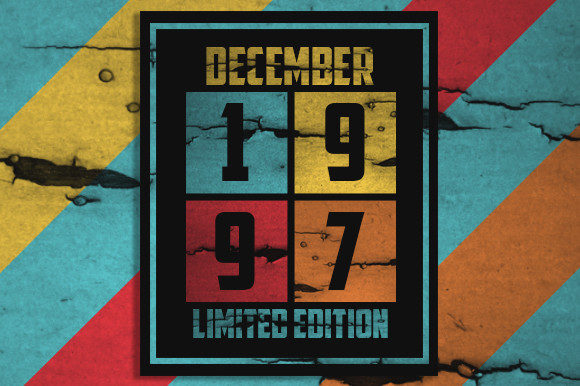
Retro December 1913 Limited Edition
As a designer and embroidery product reviewer, I’ve seen my fair share of digital files. But when I came across the Retro December 1913 Limited Edition, I knew it had potential for the right project. This design isn’t just a nostalgic nod to the past—it’s a versatile piece that could work well in a variety of handmade and commercial applications. Let me walk through how this machine embroidery design performs in real-life use.
The First Impression: A Nostalgic Visual Statement
From the moment I opened the PNG file, the Retro December 1913 Limited Edition struck me as a design with personality. The layout is clean, with a strong central motif that feels like it belongs on a vintage postcard or a classic holiday card. The theme is unmistakably retro, with a hand-drawn aesthetic that suggests old-timey typography and intricate flourishes. It has a warm, inviting mood that makes it ideal for projects with a sentimental or artisanal feel.
The detail level is high enough to be visually engaging but not so dense that it becomes overwhelming. It works well for both large and medium-sized embroidery pieces, making it suitable for items like tote bags, sweatshirts, and even baby clothes. The transparent background allows for flexibility in placement, which is great for custom apparel and printable mockups.
Real-World Use: Where It Shines and Where It Might Struggle
I tested the Retro December 1913 Limited Edition on a few different fabrics to see how it would perform. On a standard cotton tote bag, it looked sharp and professional. The stitch density was just right—enough to make the design pop without being too heavy. For a sweatshirt embroidery project, it worked well, especially if you’re going for a subtle, elegant look.
However, there are some limitations. If you’re working with small hoop sizes, this design might be a bit too large. You’ll need to adjust the hoop size accordingly or consider splitting the design into sections. On textured fabrics like denim or canvas, the design holds up well, but you may need to use a proper stabilizer to prevent puckering.
For thin or stretchy fabrics, like those used in baby clothes or lightweight t-shirts, the design could be a bit challenging. The satin stitch areas might not lay flat as nicely as they would on a heavier fabric. In such cases, using a water-soluble stabilizer could help maintain the integrity of the design.
Best Fit: Handmade Products, Personalized Gifts, and Boutique Merchandise
This design is perfect for handmade products that aim to evoke a sense of nostalgia. It could easily become a standout feature on an embroidered patch, a decorative pillow cover, or a custom apron. For small business owners and Etsy sellers, it offers a unique, vintage-inspired element that can elevate your product listings.
When it comes to personalized gifts, the Retro December 1913 Limited Edition adds a touch of elegance. Whether it’s a holiday gift, a wedding present, or a birthday surprise, it has the visual appeal to make the recipient feel special. Its clean lines and classic style make it adaptable for different occasions and themes.
It also works well for commercial embroidery projects, especially if you’re looking to create a cohesive brand identity. The design’s simplicity allows it to blend seamlessly with other elements, making it a valuable addition to your design assets.
Things to Watch Out For: Practical Considerations
Before jumping into a full project, I recommend testing the Retro December 1913 Limited Edition on scrap fabric. This will help you assess how the stitches interact with your chosen material. Pay close attention to the thread color contrast—especially if you’re using dark fabrics, where lighter threads might not show up as well.
Also, check the stitch density. If the design is too dense, it might cause the fabric to pucker or the stitches to bunch. For smaller details, like tiny lettering or intricate corners, ensure that your embroidery machine can handle the precision required. If not, you might need to simplify or adjust the design.
When creating printable mockups or digital product previews, test the design in black and white to see how it looks without color. This can help you decide whether it needs adjustments before finalizing your product.
Design Notes for Embroidery Professionals
As a designer, I always stress the importance of testing. Before using the Retro December 1913 Limited Edition in a client project or for sale, run a few trial stitches. Confirm that the hoop size matches the design dimensions, and make sure your stabilizer is appropriate for the fabric type.
If you’re planning to sell finished products or digital files, double-check the licensing terms. Even though the product description mentions a digital download, it’s always good to verify what you’re allowed to do with the design. For commercial use, ensure that the design is compatible with your embroidery machine and software.
Finally, remember that the success of any embroidery project depends on how well the design integrates with the overall product. The Retro December 1913 Limited Edition is a strong choice for the right application—but it’s up to you to make sure it fits your vision and your customer’s expectations.
Final Thoughts: A Design That Speaks to the Heart
The Retro December 1913 Limited Edition isn’t just a pretty design—it’s a thoughtful piece that can add character to a wide range of projects. Whether you’re an Etsy seller, a craft business owner, or a hobbyist looking to expand your creative toolkit, this design has the potential to make your work stand out.
With the right approach and a little care, the Retro December 1913 Limited Edition can become a staple in your embroidery collection. Just remember to test, adapt, and let the design shine in the context that suits it best.