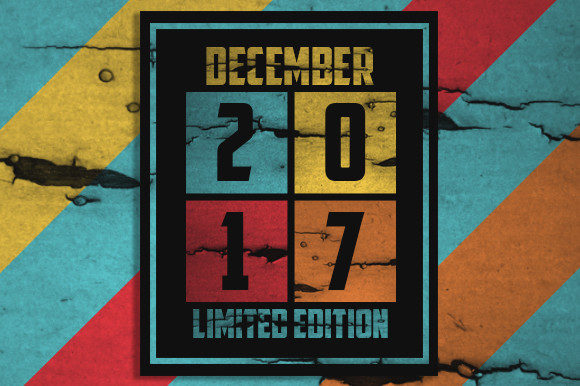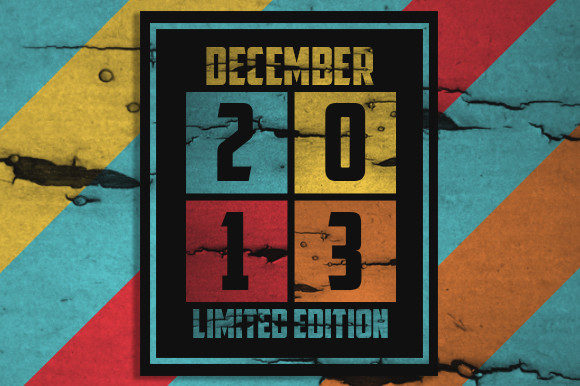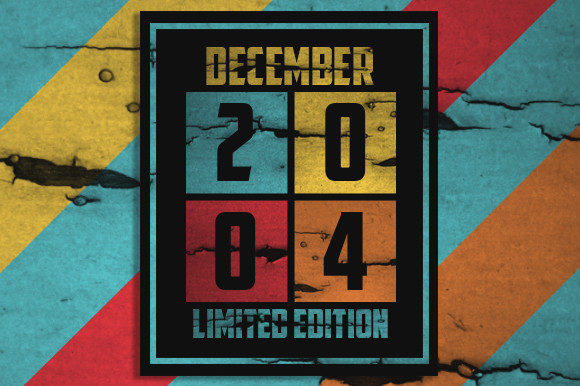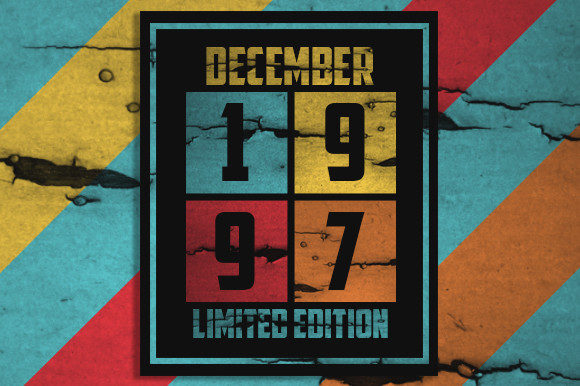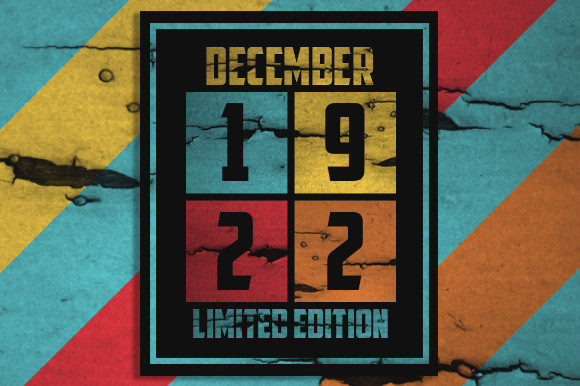
Retro December 1922 Limited Edition
As a designer and embroidery product reviewer, I’ve seen my fair share of digital files. But when I came across the Retro December 1922 Limited Edition, it immediately caught my attention. This is more than just a design—it’s a mood, a story, and a potential centerpiece for a range of handmade and commercial projects. Let’s break down what this file offers in real-world use.
The First Impression: A Nostalgic Visual Statement
The Retro December 1922 Limited Edition has a distinct vintage aesthetic that feels both timeless and modern. The design exudes a sense of nostalgia, with its clean lines, subtle textures, and restrained color palette. It’s the kind of design that makes you think of old postcards, leather-bound books, and handwritten letters. The layout is balanced, with a central focal point that works well on a variety of items.
The level of detail is impressive for a digital file, especially considering it’s a PNG with a transparent background. It’s clear that the designer put thought into how the elements interact—whether it’s the spacing between text and graphics or the way the shapes flow together. This makes it versatile for different applications, from apparel to home decor.
Real-World Embroidery Use Cases
When I first saw the Retro December 1922 Limited Edition, I imagined it on a custom embroidered tote bag for a boutique shop. It would look great on a cotton canvas tote, adding a touch of sophistication without being too bold. It also fits well on sweatshirts, where the design can stand out without overwhelming the garment.
For baby items, this design could be a hit. The soft, retro feel pairs well with nursery decor, onesies, or even a baby blanket. It’s not too busy, which is important for small spaces. On a cap or hat, the design would work as an embroidered patch, offering a subtle yet stylish look.
I also see it working well on aprons, kitchen towels, and pillow covers. The design’s simplicity allows it to blend into a variety of settings without clashing. For holiday gifts or personalized presents, this could be a standout piece that adds character and meaning.
Where to Be Cautious: Practical Considerations
While the Retro December 1922 Limited Edition is visually appealing, there are some practical considerations to keep in mind. If you’re working with small hoop sizes, the design might require multiple hooping sessions. That can be time-consuming and may affect the overall stitch quality if not handled carefully.
On textured fabrics or thin materials, the design might not show up as clearly. It’s important to test it on scrap fabric before committing to a final project. Similarly, on dark fabrics, the contrast might need adjustment depending on the thread colors used.
If you’re planning to use this on stretchy or layered garments, make sure to use the right stabilizer. Without proper support, the design could pucker or lose its shape over time. For intricate corners or tiny lettering, double-check the file to ensure it’s suitable for your machine and hoop size.
Impact on Visual Appeal and Customer Perception
The Retro December 1922 Limited Edition has a strong visual appeal that can elevate any handmade product. Its clean, vintage style adds a sense of authenticity and craftsmanship, which is crucial for building customer trust. When customers see this design on a product, they’re more likely to perceive it as high-quality and well-thought-out.
This design also enhances the giftability of a product. Whether it’s a personalized gift for a friend or a holiday item for a client, the Retro December 1922 Limited Edition adds a unique touch that stands out. It’s the kind of design that people remember and appreciate.
From a branding perspective, this file can help maintain consistency across a product line. Its muted tones and classic layout make it easy to integrate into a larger collection without feeling out of place.
Embroidery Designer Notes: What to Check Before Using
Before using the Retro December 1922 Limited Edition in your own projects, here are a few things to consider:
- Test on scrap fabric: Always do a quick test run to see how the design looks on your chosen material.
- Check thread color contrast: Make sure the thread color complements the design and the fabric.
- Review stitch density: Ensure the design isn’t too dense, which could cause puckering or distortion.
- Confirm hoop size: Verify that the design fits within your available hoop size or plan for multiple hooping steps.
- Inspect small details: Look closely at corners, lettering, and fine lines to ensure they’re clear and usable.
- Test in black and white mockups: Sometimes, a design looks different in monochrome than in color.
- Compare light and dark backgrounds: See how the design performs on different fabric colors.
- Use proper stabilizer: Especially on delicate or stretchy fabrics, stabilizer is key for a clean finish.
- Check licensing: Make sure you understand the terms for commercial use before selling finished items or digital products.
Final Thoughts: A Design Worth Considering
The Retro December 1922 Limited Edition is a solid choice for designers, small business owners, and crafters looking for a vintage-inspired, versatile design. It’s not perfect for every project, but when used correctly, it can add a lot of value to a handmade or commercial product.
If you’re an Etsy seller, a craft fair vendor, or a small shop owner, this design could be a great addition to your product lineup. Just remember to test it thoroughly and consider the practical aspects of embroidery before finalizing your project.
Overall, the Retro December 1922 Limited Edition is a thoughtful, well-crafted design that deserves a place in your embroidery toolkit.