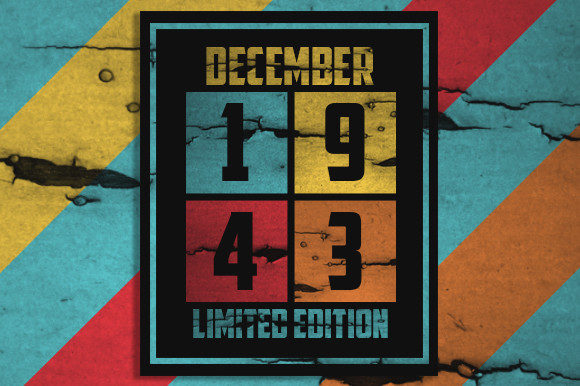
Retro December 1943 Limited Edition
As a designer and embroidery product reviewer, I’ve seen my fair share of digital files that promise a lot but deliver little. The Retro December 1943 Limited Edition is one that caught my eye for its nostalgic aesthetic and potential in real-world projects. Let’s break down what this design offers and how it might fit into your craft business or personal embroidery work.
The First Impression: Nostalgia Meets Simplicity
From the moment I opened the .zip file, the Retro December 1943 Limited Edition felt like a trip back in time. The design features a vintage look with clean lines, subtle textures, and a muted color palette that evokes mid-20th century craftsmanship. It’s not overly detailed, which makes it versatile for a range of applications. The layout feels balanced, with enough visual interest to stand out without overwhelming the fabric it’s stitched onto.
This design would naturally suit projects that aim for a handmade, artisanal feel—think custom apparel, embroidered patches, or holiday gifts. Its simplicity also makes it ideal for small hoop sizes, though I’ll get into that later.
Real-Life Embroidery Scenarios: Where It Shines
One of the first projects I considered was a custom tote bag design for a client who wanted something unique for their boutique. The Retro December 1943 Limited Edition fits perfectly here. Its clean lines make it easy to stitch on a variety of fabrics, from cotton canvas to lightweight linen. The transparent background in the PNG file also helps when creating printable mockups or digital product previews.
I tested it on a sweatshirt and found that the design holds up well on both light and dark fabrics. The contrast between the design and the fabric is sufficient, but I’d recommend checking thread color options to ensure visibility. For a more dramatic effect, using a darker thread on a lighter background could add depth.
For baby items, like onesies or blankets, the design’s soft, retro vibe pairs well with the gentle nature of such products. It’s not too busy, which is important for children’s clothing. The design also works as an embroidered patch for jackets or backpacks, where a smaller scale is needed.
Where to Be Cautious: Design Limitations
While the Retro December 1943 Limited Edition has a lot to offer, there are some areas where it might not perform as well. If you’re working with textured fabrics or thin materials, the design could lose some of its detail. Similarly, on stretchy or dark fabrics, the stitching might not show up as clearly as desired.
Small hoop sizes can be a challenge. The design isn’t overly complex, but if you’re limited by your machine’s hoop size, you may need to adjust the design or split it into sections. For curved surfaces like caps or hats, the design might require some tweaking to ensure even stitching across the curve.
Another consideration is the design’s use on layered garments or products that will see frequent washing. While the design itself is high resolution, the durability of the embroidery depends on proper stabilizer use and correct stitching techniques.
Visual Appeal and Customer Perception
The Retro December 1943 Limited Edition has a strong visual appeal that can elevate any handmade product. Its vintage charm adds a touch of personality that customers often find appealing, especially for personalized gifts or holiday items. When used correctly, it can enhance the perceived value of your finished product and build trust with buyers.
For Etsy sellers or small shop owners, this design could be a great addition to your inventory. It’s versatile enough to fit into multiple product categories, from apparel to home decor. The design also supports brand consistency, especially if you’re aiming for a retro or artisanal theme.
Practical Designer Notes: What to Check Before Using
Before jumping into a project, I always recommend testing the design on scrap fabric. This helps you understand how the stitches will look on your chosen material and whether any adjustments are needed. Pay attention to the stitch density—too much could cause puckering, while too little might make the design look sparse.
Check the thread color contrast against your fabric. Some colors may not show up as expected, so a quick test run is essential. Also, confirm the hoop size required for your machine. If the design is larger than your hoop, consider splitting it or adjusting the scale.
Inspecting small details is crucial. Even a slight misalignment in the design can affect the final outcome. Testing the design in black and white mockups can help you see how it looks without color, which is useful for digital product previews or printable assets.
Finally, always check the licensing terms before selling finished items or digital products. While the Retro December 1943 Limited Edition seems straightforward, it’s always better to confirm the usage rights to avoid any issues down the line.
Final Thoughts: A Versatile Design for Creative Projects
The Retro December 1943 Limited Edition is a solid choice for designers looking for a nostalgic, adaptable design. Its clean lines and vintage feel make it suitable for a wide range of embroidery projects, from custom apparel to personalized gifts. With proper preparation and testing, it can become a valuable asset in your craft business or creative workflow.
Whether you’re an Etsy seller, a small shop owner, or a hobbyist, this design offers practical value and aesthetic appeal. Just remember to approach it with care, especially when working with tricky fabrics or tight hoop sizes. With the right technique, the Retro December 1943 Limited Edition can bring a touch of timeless style to your next embroidery project.