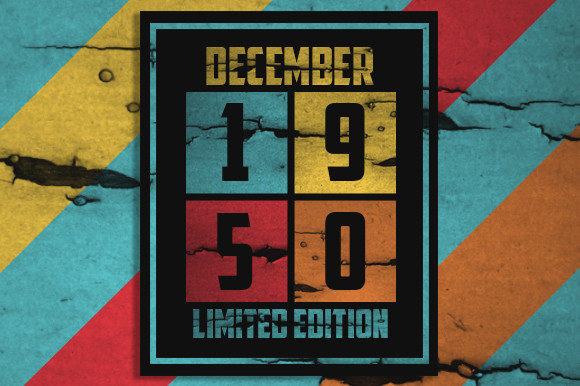
Retro December 1950 Limited Edition
As a designer and embroidery product reviewer, I’ve seen my fair share of digital files. But when I came across the Retro December 1950 Limited Edition, I knew it had potential for real-world use. This design isn’t just a nostalgic nod to the past—it’s a practical choice for anyone looking to add a vintage flair to their craft business or personal projects. Let’s break down what makes this design stand out and where it might fall short.
The First Impression: A Nostalgic Visual Statement
The Retro December 1950 Limited Edition immediately evokes a sense of old-world charm. The design features clean lines, subtle textures, and a layout that feels both timeless and modern. It’s not overly complex, which is a big plus for those who want to keep their embroidery projects simple but impactful. The theme is clearly rooted in retro aesthetics—think classic typography, vintage graphics, and a muted color palette that works well with both traditional and contemporary designs.
This design would naturally fit into a range of projects, from custom apparel to holiday gifts. Its high-resolution PNG file ensures that it translates well into digital mockups, making it a solid choice for Etsy sellers or small shop owners looking to create eye-catching listings.
Real-World Embroidery Performance
When testing the Retro December 1950 Limited Edition on different fabrics, I found that it performs best on medium-weight materials like cotton, denim, and canvas. The design’s structure allows for clear stitching without excessive density, which is great for maintaining a professional look while keeping the project manageable.
For custom apparel like sweatshirts or t-shirts, the design holds up well. However, if you’re planning to use it on a tote bag or an apron, you’ll want to make sure the hoop size is appropriate. The design isn’t too large, so it should work on most standard hoops. Still, always test it first on scrap fabric to avoid any surprises.
One thing to note is that the design may not be ideal for textured or stretchy fabrics. If you’re working with something like a knitted sweater or a fabric with a lot of give, you might need to adjust your stabilizer or stitch settings to prevent puckering or distortion.
Where to Use It Carefully
While the Retro December 1950 Limited Edition is versatile, there are a few situations where it might not be the best fit. For example, if you’re planning to embroider it on a cap or a curved surface, you may find that the details don’t translate as smoothly. The same goes for thin or dark fabrics—make sure to test the design in black and white mockups to see how it looks against different backgrounds.
Small hoop sizes can also be a challenge. If the design is too intricate for your machine’s capabilities, you might end up with uneven stitches or missing details. Always check the stitch density and ensure that your machine can handle the complexity.
Another consideration is the use of thread colors. Since the design has a transparent background, you’ll need to choose thread colors that complement the overall look. If you’re using it for a personalized gift or a handmade product, make sure the colors align with the intended aesthetic.
Impact on Visual Appeal and Customer Perception
The Retro December 1950 Limited Edition adds a unique visual appeal to any project. Its vintage feel can elevate a basic item into something special, making it a great choice for holiday gifts, wedding favors, or boutique merchandise. Customers often respond positively to designs that have a story or a nostalgic element, and this one definitely fits the bill.
From a branding perspective, this design can help reinforce a consistent look across your product line. Whether you’re selling embroidered patches, baby items, or custom apparel, the Retro December 1950 Limited Edition offers a cohesive style that can be used in multiple ways.
It also enhances the perceived value of your finished product. A well-executed embroidery project with a thoughtful design can make customers feel like they’re getting something truly unique, which is essential for standing out in a crowded market.
Practical Designer Notes
Before using the Retro December 1950 Limited Edition in a commercial project, I recommend doing a few key tests. First, run it through a black and white mockup to see how it looks on different backgrounds. Then, test it on actual fabric to check for stitch clarity and stability.
Make sure to review the stitch density and confirm that your hoop size is appropriate. If the design includes tiny lettering or detailed corners, double-check that these elements will hold up during the embroidery process. Also, consider the type of stabilizer you’ll need—some fabrics require more support than others.
If you’re planning to sell finished products or digital files, always verify the licensing terms. Even though the Retro December 1950 Limited Edition is a digital download, you’ll want to ensure that you have the right to use it in your specific context.
Final Thoughts: A Solid Choice for Vintage-Inspired Projects
The Retro December 1950 Limited Edition is a strong option for anyone looking to add a retro touch to their embroidery work. It’s well-suited for custom apparel, holiday gifts, and small business merchandise, and its high-resolution format makes it easy to use in digital mockups and printable assets.
While it may not be perfect for every situation, it’s a reliable design that can enhance the visual appeal of your handmade products. With proper testing and attention to detail, it can become a valuable addition to your embroidery project library.
Whether you’re an Etsy seller, a craft business owner, or a hobbyist, the Retro December 1950 Limited Edition is worth considering for your next creative endeavor.