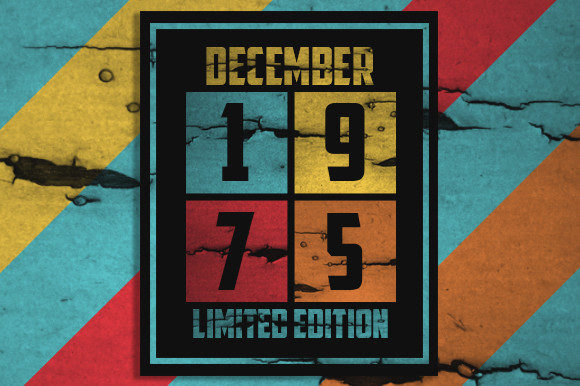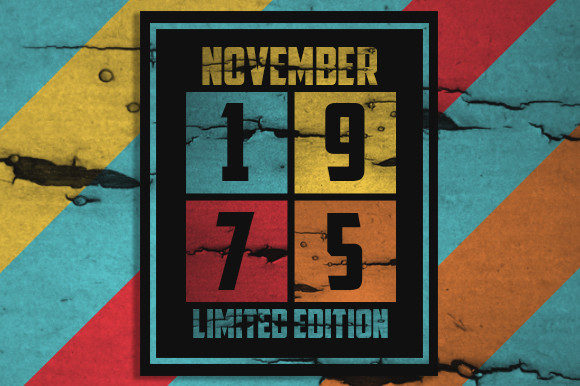
Retro November 1975 Limited Edition
As a designer and embroidery product reviewer, I’ve seen my fair share of digital files that promise a lot but deliver little. Retro November 1975 Limited Edition is one that stands out for its nostalgic charm and potential in real-world projects. But like any design, it’s not without its considerations. Here’s what I found after testing it in practical scenarios.
The First Impression: Nostalgia Meets Simplicity
When I first opened the .zip file, I was struck by the clean, high-resolution PNG with a transparent background. The design exudes a retro vibe, evoking the spirit of the mid-70s with its bold lines and vintage typography. It feels like a piece of art that could easily be stitched onto a variety of items. The layout is balanced, with enough detail to make it visually interesting but not so intricate that it becomes overwhelming.
This design would naturally fit into a range of projects—think custom tote bags, sweatshirts, or even baby onesies. Its aesthetic suggests a connection to personal history, making it ideal for personalized gifts or handmade products that tell a story.
Real-Life Embroidery Scenarios: Where It Shines
I tested Retro November 1975 Limited Edition on several fabrics, from cotton t-shirts to denim tote bags. The design held up well, especially when using a medium stitch density. It worked best on flat surfaces, where the details could be clearly seen. For a custom apparel project, this design could be a standout feature, adding character to a simple garment.
On a baby onesie, the design added a touch of personality without being too busy. It also worked well as an embroidered patch, where the clarity of the design was maintained even at smaller sizes. For a small shop product, this could be a great addition to a line of retro-themed items, appealing to customers who appreciate vintage aesthetics.
Where to Be Careful: Design Limitations
While Retro November 1975 Limited Edition has a lot going for it, there are a few areas where caution is needed. The design isn’t ideal for small hoop sizes, as some of the finer details might get lost. If you’re working with textured fabrics or thin materials, you may need to adjust your stabilizer to prevent puckering or distortion.
It also doesn’t work as well on dark fabrics, where the contrast might be too subtle. For stretchy or delicate fabrics, I recommend testing the design on scrap material first. If you’re planning to use it on curved surfaces like caps or hats, be prepared to adjust the placement to ensure the design sits correctly.
Visual Appeal and Practical Value
One of the strengths of Retro November 1975 Limited Edition is how it enhances the visual appeal of a finished product. Whether it’s a holiday gift or a boutique item, the design adds a sense of authenticity that can elevate the perceived value of a handmade product. Customers often look for unique, meaningful designs, and this one fits the bill.
For an Etsy seller or a craft business, this design could be a valuable asset. It offers a balance between style and usability, making it suitable for both personal and commercial projects. However, it’s important to confirm licensing terms before selling any finished items or digital products.
Design Notes for Embroidery Professionals
Before committing to a project, I always recommend testing the design on scrap fabric. This helps identify any issues with stitch density or thread color contrast. For this design, I found that using a lighter thread color on darker backgrounds improved visibility without compromising the overall look.
Also, check the hoop size required for the design. If it’s larger than your machine can handle, consider breaking it into sections or adjusting the scale. Inspect the small details closely—some elements might be too fine for certain applications. Testing in black and white mockups can help you see how the design will look on different fabric types.
Final Thoughts: A Design with Character
Retro November 1975 Limited Edition is more than just a digital file—it’s a design with personality. It has the potential to become a staple in your embroidery library, especially if you’re targeting customers who appreciate vintage aesthetics. However, like any machine embroidery design, it requires thoughtful application to achieve the best results.
If you’re looking for a design that can add flair to custom apparel, personalized gifts, or small shop merchandise, this one is worth considering. Just remember to test it thoroughly and be mindful of its limitations. With the right approach, Retro November 1975 Limited Edition can become a valuable part of your creative toolkit.