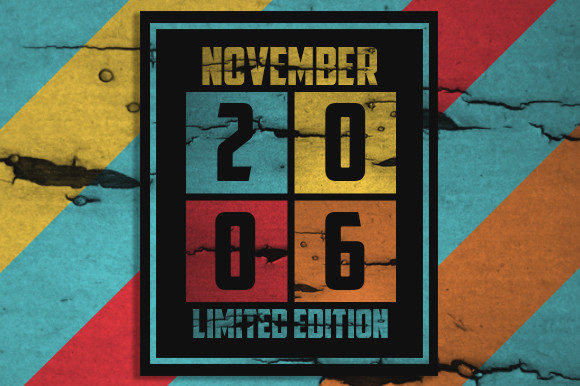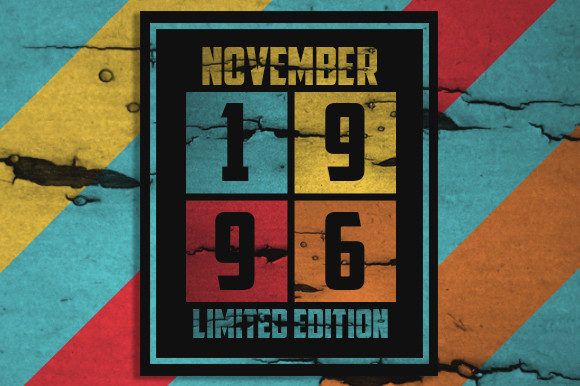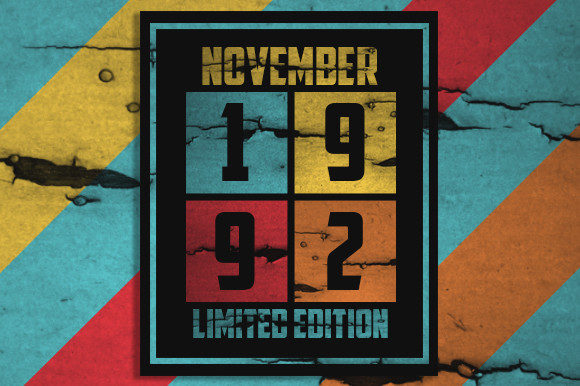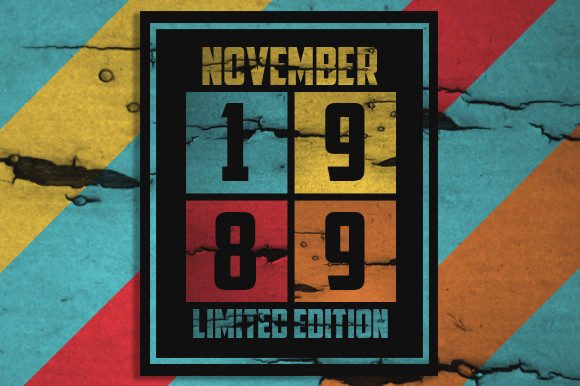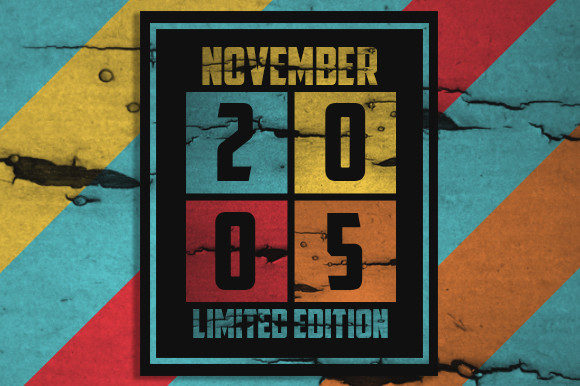
Retro November 2005 Limited Edition
As a designer with years of experience in embroidery and digital graphics, I’ve seen my fair share of designs that look great on a screen but fall flat when stitched. The Retro November 2005 Limited Edition is one that demands attention—not just for its nostalgic aesthetic, but for how it translates to real-world embroidery projects. Let’s break down what this design offers and where it truly shines.
The First Impression: Nostalgia Meets Simplicity
From the moment I opened the PNG file, the Retro November 2005 Limited Edition felt like a breath of fresh air. It’s clean, minimal, and carries a warm, vintage vibe that feels right at home on anything from a handmade tote bag to a baby onesie. The layout is balanced, with a central motif that doesn’t overwhelm the space. It’s not overly detailed, which makes it versatile for different fabric types and project sizes.
The color palette is subtle, leaning into muted tones that work well with both light and dark fabrics. This makes it a strong candidate for custom apparel, especially if you’re looking to create something that feels timeless rather than trendy.
Real-World Embroidery Use Cases
This design excels in projects where simplicity and clarity matter. For example, if you're working on a custom sweatshirt or tote bag design, the Retro November 2005 Limited Edition would hold up well. Its structure allows for clear stitching without too much complexity, making it ideal for beginners and seasoned embroiderers alike.
It also works well as an embroidered patch for jackets, bags, or even a personalized apron. The design isn’t too intricate, so it avoids issues with dense stitch areas or tiny details that might get lost during the process. That said, it’s not the best choice for something that requires a lot of saturation or layering.
Where to Be Careful: Fabric and Fit
While the Retro November 2005 Limited Edition is generally straightforward, there are a few things to consider before jumping into a project. If you're planning to use it on small hoop sizes, you may need to adjust the design or split it into sections. Thin or stretchy fabrics could also be a challenge, as the design’s simplicity might not hold up against movement or distortion.
Dark fabrics can sometimes make the design less visible, depending on the thread colors used. It’s worth testing it on a scrap piece of fabric first to ensure the contrast is right. Similarly, if you're planning to use it on curved surfaces like caps or hats, you’ll want to check how the design wraps around the shape without distorting the original layout.
Visual Appeal and Customer Perception
When it comes to visual appeal, the Retro November 2005 Limited Edition has a certain charm that can elevate any handmade product. It adds a touch of nostalgia that many customers find appealing, especially for items like holiday gifts, personalized presents, or boutique merchandise. Its clean lines and retro feel make it instantly recognizable and easy to incorporate into branding efforts.
For small business owners and Etsy sellers, this design can be a solid addition to your product lineup. It’s versatile enough to work across multiple items—think tea towels, pillow covers, or even printable mockups for digital product previews. However, it’s important to remember that the success of any design depends on how well it fits your target audience and overall brand identity.
Practical Designer Notes
Before using the Retro November 2005 Limited Edition in a commercial project, here are a few key steps to take:
- Test on scrap fabric: Always start with a test piece to see how the design looks in real life.
- Check thread color contrast: Make sure the thread you choose complements the design and stands out on your chosen fabric.
- Review stitch density: Ensure the design isn’t too dense or sparse for your machine and fabric type.
- Confirm hoop size: If the design is large, you may need to adjust your hoop setup accordingly.
- Inspect small details: Check for any elements that might get lost during stitching.
- Test in black and white: Sometimes, seeing the design in monochrome helps identify potential issues.
- Compare light and dark backgrounds: Ensure the design works on both types of fabric.
- Use proper stabilizer: Stabilizer can make a big difference, especially on delicate or stretchy materials.
- Check licensing: Confirm that the design is suitable for both personal and commercial use before selling finished products.
Final Thoughts: A Design Worth Considering
The Retro November 2005 Limited Edition isn’t a one-size-fits-all design, but it has a lot to offer for the right project. Its simplicity, nostalgic feel, and clean layout make it a strong choice for custom apparel, handmade gifts, and small shop merchandise. Whether you're an embroidery designer, a craft business owner, or a creative entrepreneur, this design could be a valuable addition to your collection.
Just remember to approach it with the same care and attention you’d give any other machine embroidery design. With the right setup and fabric choices, the Retro November 2005 Limited Edition can turn into a standout finished product that your customers will love.