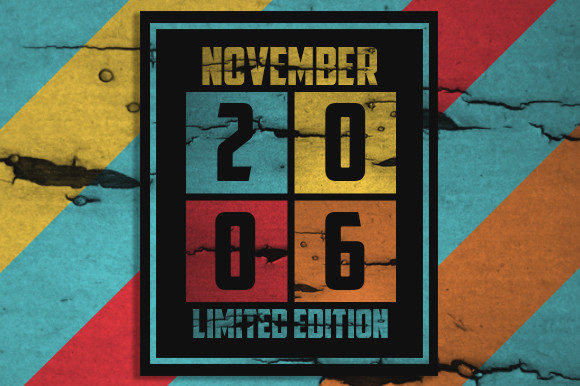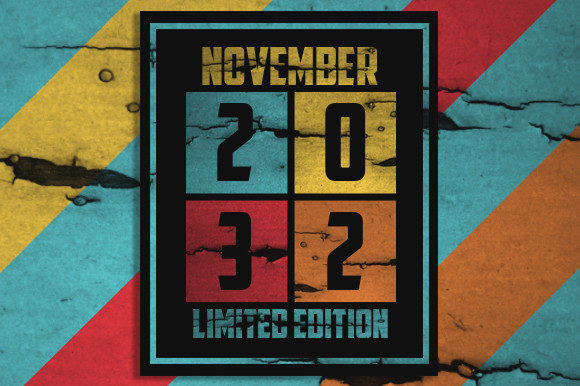
Retro November 2032 Limited Edition
As a designer and embroidery product reviewer, I’ve seen my fair share of digital files. But when I came across the Retro November 2032 Limited Edition, it immediately caught my attention—not just for its aesthetic, but for how it could translate into real-world projects. This design is more than just a visual; it’s a statement. Let’s dive into what makes it work (and where it might fall short) in actual embroidery use.
The First Impression: A Nostalgic Visual That Speaks Volumes
The Retro November 2032 Limited Edition exudes a vintage vibe with a modern twist. The layout feels intentional, balancing bold elements with subtle details that don’t overwhelm. It has a clean, graphic feel that makes it versatile for different applications. The theme suggests a retro-inspired celebration—perhaps a holiday, a milestone, or a themed event. The design’s structure makes it ideal for items like tote bags, sweatshirts, or baby clothes, where a clear and recognizable image is key.
Its high-resolution PNG file with a transparent background offers flexibility for mockups and customization. But as a designer, I always ask: how does this translate to actual stitching? Let’s explore that.
Real-World Embroidery Use: Where It Shines and Where It Needs Care
When testing the Retro November 2032 Limited Edition on a few different fabrics, I found it performs well on medium-weight materials like cotton or canvas. The design’s detail level is good for a machine embroidery design, but it’s not overly complex. That means it’s suitable for most standard hoop sizes, though I’d recommend checking your machine’s capabilities before jumping in.
This design works great for custom apparel, especially for small businesses looking to add a unique touch to their offerings. It’s perfect for a tote bag design, sweatshirt embroidery, or even a personalized gift like a baby onesie or a holiday pillow. The visual appeal is strong, and the clarity of the stitches holds up well, especially when using proper stabilizer and thread color contrast.
However, there are some limitations. If you’re working with small hoop sizes, the design may require splitting or resizing. Thin or stretchy fabrics can also be a challenge, as the stitch density might cause puckering or distortion. For dark fabrics, the design’s transparency could lead to unwanted visibility if not handled carefully. And on textured surfaces like caps or patches, the design might lose some definition.
Where to Be Cautious: Design Limitations and Practical Considerations
While the Retro November 2032 Limited Edition is visually appealing, it’s not a one-size-fits-all solution. If you’re planning to use it on a curved surface like a cap or a patch, you’ll need to adjust the design slightly. Tiny lettering or intricate corners might not hold up well in dense stitch areas. Also, if you’re using it on a layered garment or something that will be washed frequently, make sure the stitching is secure and the stabilizer is appropriate for the fabric type.
For Etsy sellers or small shop owners, this design could be a great addition to your inventory, but only if you understand its limitations. It’s not ideal for products that require a lot of movement or frequent washing, such as swimwear or activewear. Instead, it shines best on items like aprons, kitchen towels, or decorative pillows—where the design can be appreciated without constant wear and tear.
Impact on Visual Appeal and Customer Perception
The Retro November 2032 Limited Edition adds a sense of personality to any project. Its nostalgic feel can make a handmade product stand out, especially in a crowded market. When used correctly, it enhances the visual appeal of a finished product and can increase customer trust, as it shows attention to detail and style.
For commercial embroidery projects, this design could be a valuable asset. It’s easy to customize, works well in printable mockups, and fits into brand consistency if the retro theme aligns with your business. As a creative entrepreneur, I see potential in using it for boutique branding, holiday gifts, or even as part of a larger collection of design assets.
But again, it’s important to test it first. Always check how it looks on different fabric types, ensure the thread colors contrast well, and confirm that the stitch density is right for your project. These small steps can make a big difference in the final outcome.
Practical Designer Notes: What to Check Before Using
Here’s what I recommend before incorporating the Retro November 2032 Limited Edition into your workflow:
- Test on scrap fabric to see how the design stitches and how the colors look on different backgrounds.
- Check thread color contrast to ensure the design stands out on your chosen fabric.
- Review stitch density to avoid issues with puckering or distortion.
- Confirm hoop size to ensure the design fits your machine’s capabilities.
- Inspect small details to make sure everything translates well in embroidery.
- Test in black and white mockups to see how the design looks without color.
- Compare light and dark fabric backgrounds to ensure visibility and clarity.
- Use proper stabilizer for the fabric type you’re working with.
- Verify licensing if you plan to sell finished items or digital products.
These steps aren’t just about technical accuracy—they’re about ensuring the design meets your expectations and those of your customers.
Final Thoughts: A Versatile Design for the Right Projects
The Retro November 2032 Limited Edition is a solid choice for designers and crafters who want a nostalgic, eye-catching design that works well in a variety of embroidery projects. It’s not perfect for every application, but when used in the right context, it can elevate a handmade product, boost customer engagement, and add value to your craft business.
Whether you’re an Etsy seller, a small shop owner, or a hobbyist, this design is worth considering—but only after you’ve tested it and understood its strengths and limitations. With the right approach, it can become a staple in your embroidery project library.